Muck Money: What Does It Really Cost to Clean a Pond?
Have you looked at your pond lately and wondered what it would take to clear out all that muck after another windy Kansas City spring or a long Texas dry spell?
Or worried that the price of cleaning it might be as murky as the water itself?
In this post, you’ll learn the real costs of pond cleaning, what affects the price, and how each service level works.
By the end, you’ll know exactly what to expect so you can protect your acreage pond, your property, and your budget with confidence.
If you want expert help, reach out to Bulletproof Pond and Lake by giving us a call or filling out the contact form.
We’re here to make your pond look and perform its best.
Pond Cleaning Cost at a Glance
Pond cleaning costs vary widely depending on the size of the pond, the amount of muck that has built up, and how much work is needed to restore safe water quality.
For most pond owners, the price ranges from $15 to $20 per linear foot for simple shoreline cleaning, and $45,000 to $250,000 or more for full muck removal on a 0.25 to 1-acre pond.
These price shifts often come down to pond size, shoreline length, muck depth, whether the pond needs to be drained, how the removed material is handled, and whether upgrades or repairs are added.
- Standard shoreline muck-out: $15 to $20 per linear foot
- Deluxe full clean-out: $45,000 to $125,000
- Premium full clean-out with burial: $90,000 to $250,000
This range gives a quick snapshot for anyone wondering how much pond service and maintenance or pond cleaning truly costs and why most acreage pond maintenance companies cannot give a flat estimate without seeing the site.
What Affects Pond Cleaning Cost the Most
Pond Size and Shoreline Length
The biggest pond maintenance cost factors start with pond size and shoreline length.
Standard cleaning is priced by linear foot, so a backyard pond or small pond costs much less than a large pond with long shorelines.
Depending on the size and shape of the basin, larger ponds may require draining, pond dredging, or reshaping to reach all mucked areas.
Ponds needing more extensive cleaning require additional work that extends beyond shoreline-based maintenance.
A retention pond that collects runoff usually builds sediment even faster because of yard debris and clay entering from surrounding land.
Depth and Volume of Muck
The next cost driver is how much muck has collected at the bottom.
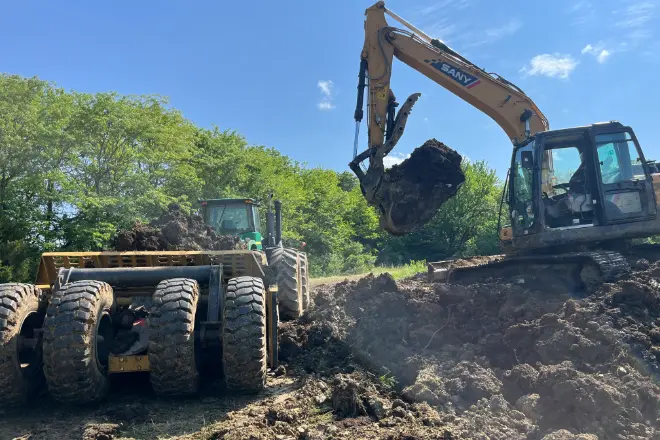
A shallow layer is simple for pond cleaners to remove, but deeper layers require more excavation time, more equipment, and more space for disposal.
This is why shoreline cleaning and full-pond muck removal are not priced the same.
Whole-pond cleaning takes longer and often becomes a deep clean that restores lost depth, protects pond and lake water quality, and supports healthy fish.
Access, Topography, and Equipment Requirements
The layout of the property also affects pond maintenance costs.
Steep banks, tight access routes, and soft ground increase labor and require special equipment.
When access is easy, cleaning often finishes in a few days.
When access is limited, the average price increases because of added difficulty.
Method of Muck Handling
How the muck is handled is one of the biggest pond maintenance cost factors.
- Spreading muck along the shoreline is the least expensive.
- Relocating muck to the backside of the dam costs more because it requires hauling and shaping.
- Burying muck on-site is the highest cost because it takes more excavation, grading, and equipment time.
These choices matter for both pond cleaning and long-term pond maintenance.
Pond Cleaning Service Levels and What Each Includes
Standard Pond Cleaning
Standard pond cleaning is the simplest and most affordable option for pond owners who only need shoreline work.
Cost: $15 to $20 per linear foot of shoreline
Scope
- Excavates around the pond bank
- Reaches 25 feet into the pond
- Removes about 1 foot of accumulated muck
- Spreads muck along the shoreline to dry
Timeline
- Work completed in a few days
- Team returns in 4 to 8 weeks to grade and seed once the muck dries
- This option is best for outdoor ponds with moderate buildup but no major depth loss.
Deluxe Pond Cleaning
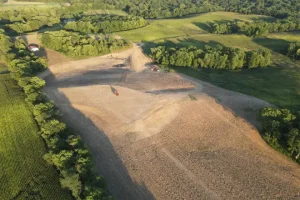
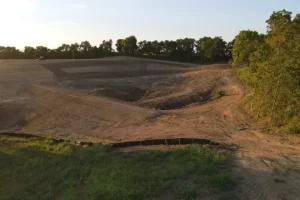
Deluxe pond cleaning is a full-pond muck-out designed for real-world projects where sediment buildup has reduced depth or harmed water quality.
Cost: $45,000 to $125,000 for ponds 0.25 to 1 acre
Scope
- Drains the pond
- Removes all muck from the entire basin
- Relocates muck to the backside of the dam
- Returns 1 year later to grade and seed the dried material
Timeline: 2 to 6 weeks
This level is often chosen when a fish pond needs a deeper reset beyond routine maintenance.
Premium Pond Cleaning
Premium pond cleaning handles the most severe cases of buildup and site limitations.
Cost: $90,000 to $250,000 for ponds 0.25 to 1 acre
Scope
- Drains the pond
- Removes all muck
- Buries muck near the pond
- Returns after 1 year to grade and seed
Timeline: 3 to 10 weeks
This level is ideal when muck volumes are extremely high, when the property has limited relocation space, or when the pond contractor recommends burial for long-term stability.
Project Timelines and What to Expect
Immediate Work Duration
The time required depends on the service level.
- Standard cleaning takes 2 to 4 days.
- Deluxe cleaning takes 2 to 6 weeks.
- Premium cleaning lasts 3 to 10 weeks.
These timelines reflect excavation time, equipment needs, and site complexity, which can vary as much as the terrain between the Flint Hills of Kansas and the hill country of Texas.
Most pond owners are surprised that some projects finish in a few hours while others take much longer.
Muck Drying and Return Visit
After the muck is removed and placed in a new area, it needs time to dry before final grading.
This drying period takes 6 months to a year, depending on weather, muck thickness, and water temperature.
Final shaping starts only after the material is firm enough to support equipment.
Long Term Cleaning Frequency
Most ponds need muck removal every 10 to 15 years.
A retention pond that collects runoff usually needs more frequent cleaning due to soil and stormwater entering the basin.
Please note that Bulletproof Pond and Lake only cleans large acreage ponds and lakes, not small backyard ponds, koi ponds, or small garden ponds.
When Pond Cleaning Becomes More Expensive
Ponds Larger Than One Acre
Larger ponds take more time, more equipment, and more labor.
When a pond is too large to clean effectively, building a new pond may cost less than a full restoration.
Severe Vegetation, Erosion, or Runoff Problems
When the shoreline erodes or when runoff carries soil into the basin, muck builds up faster.
Thick mats of aquatic plants or algae growth also add to the total volume that must be removed.
Dam or Overflow System Repairs Needed
During cleaning, crews sometimes find problems with the dam, spillway, or overflow system.
Fixing these early helps avoid more costly pond construction or repair later.
When these issues appear, the cost rises because of extra labor and materials.
Add-On Upgrades That Influence Final Cost
Ecosystem and Habitat Upgrades
Some pond owners add upgrades to improve habitat or fishing access.
These include spawning beds, fish structures, or peninsulas that improve water flow and pond features.
Structural or Functional Enhancements
Upgrades such as installing a new overflow system, regrading the surrounding land, or removing trees to help protect the shoreline will add to the cost.
However, these upgrades reduce future maintenance costs and help save money over time.
Muck Handling Upgrades
Hauling muck to a remote area or reshaping disposal sites adds labor and equipment time.
How Regular Maintenance Helps Control Future Cleaning Costs
Seasonal Debris Removal
Removing debris like leaves and branches prevents them from sinking, breaking down, and turning into muck.
This simple routine maintenance step keeps pond water cleaner and reduces the amount of material that needs to be removed later.
Aquatic Vegetation Management
Managing aquatic plants and algae growth prevents the buildup of nutrients that cause sediment problems.
Water Quality Monitoring
Testing pH and oxygen levels helps diagnose problems early.
Water testing keeps ponds healthier between cleanings and prevents costly deep clean treatments later.
Dam and Spillway Inspections
Regular inspections prevent erosion and failures that might force major repairs.
Keeping the dam in good condition limits runoff problems and helps maintain stable water levels.
Why Bulletproof Pond and Lake Is the Clear Choice for Your Cleanup
Now you know what affects pond cleaning cost and how to choose the service level that fits your pond best.
You also learned how smart maintenance can help you save money and avoid major problems down the road.
When you’re ready to restore depth, boost water quality, and bring your pond back to life, Bulletproof Pond and Lake has the equipment and expertise to get it done right.
Reach out today and let our pond cleaning experts handle the heavy lifting so your pond can look and perform its best.