Digging Deeper: Why the Right Contractor Matters
Have you ever wondered why some ponds stay beautiful year after year while others turn into leaky and muddy messes?
Or maybe you’re curious about whether hiring a general excavation company is good enough for pond construction?
Choosing the right contractor can make or break any project.
In this post, you’ll learn the crucial differences between hiring a general excavation company versus one that specializes in pond excavation.
By the end, you’ll know exactly who to call to ensure your acreage pond installation is a success—saving you time, money, and frustration in the long run.
General Excavation vs. Pond Excavation: The Key Differences
When it comes to digging, general excavation and pond excavation serve two very different purposes.
Understanding these differences is essential, especially when planning a project in Kansas City, KS.
While a general excavation company can manage large construction projects, pond building involves a unique set of skills, tools, and knowledge to ensure long-term success.
General Excavation Overview
General excavation companies are typically involved in preparing sites for construction projects, such as building foundations or infrastructure.
These tasks involve moving large amounts of soil, rocks, and other materials to shape the land for development.
Here’s what a general contractor usually handles:
- Site Clearing: Removing vegetation, debris, and any obstructions to prepare the area.
- Grading: Creating a level surface for foundations or roads.
- Trenching: Digging channels for underground utilities like water lines, sewers, and electrical systems.
- Foundation Digging: Preparing the ground for structures by ensuring the foundation is secure.
Equipment and Techniques Used by General Contractors
- Heavy Machinery: Excavators, bulldozers, and trenchers are used to dig and move large volumes of excavated soil.
- Soil Compaction: Ensuring the soil is compact enough to support construction.
- Safety Management: Proper handling of hazardous materials and strict safety protocols are always in place.
While general excavation is critical for many types of projects, it lacks the precision and specialized techniques needed for effective pond excavation.
Specialized Pond Excavation: A Different Set of Skills
Pond excavation requires far more precision and expertise than general excavation work.
Digging a pond is much more than just digging a hole (which is why you shouldn’t do it yourself).
Unlike site preparation for construction, pond building demands careful consideration of factors like water quality, ecological balance, and structural stability.
Why Professional Pond Excavation is Critical
Hiring a professional pond excavation specialist for your pond project ensures that the pond will last and function properly for years to come.
Here’s why it matters:
- Longevity and Durability: Proper excavation ensures that the pond’s structure is stable, preventing issues like leaks or erosion.
- Ecological Balance: A professionally dug pond supports aquatic plants, healthy fish populations, and stable ecosystems.
- Aesthetic and Functional Design: Balancing the beauty of the pond with functionality, like ensuring pond circulation and water retention.
Equipment Used in Pond Excavation
- Scrapers: Unlike the equipment used in general excavation, scraper systems are ideal for efficiently removing soil and ensuring that it is properly compacted, especially when dealing with clay soil or rocky soil.
- Soil Testing Tools: Professionals test for the right type of soil—specifically clay soil—to ensure the pond can hold water effectively and avoid leaks.
By hiring a pond excavation expert, you’ll ensure that the job is done right the first time, saving you the hassle of dealing with future problems.
Why You Should Hire a Company that Specializes in Pond Excavation
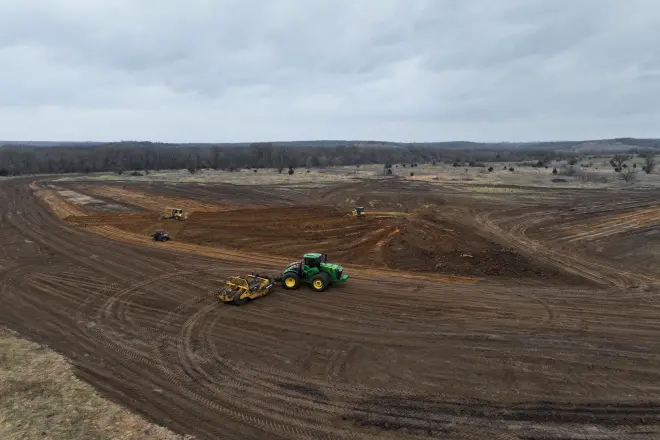
When you’re ready to dig a pond, it’s important to recognize that not all excavation projects are created equal.
While general contractors might excel in broader land-moving tasks, building a pond requires specialized knowledge and attention to detail that ensures the pond properly serves its intended function.
A specialized pond builder has the expertise to navigate the challenges unique to pond excavation, from soil testing to ensuring ecological balance.
Site Selection and Soil Analysis Are Crucial for Ponds
Choosing the right location for a pond involves much more than simply picking a low spot in your yard.
The excavation process for a pond must start with a thorough site assessment to ensure the location is suitable for holding water long-term.
- Soil Testing: Not all soil types can hold water efficiently. Specialized testing helps determine if your site has enough clay soil or if a lining is needed to prevent leaks. Sandy soil or poor soil conditions can cause long-term issues with water retention, making the use of professional tools and techniques critical.
- Hydrology Studies: To ensure your pond maintains overall pond circulation, specialists study the site’s natural drainage patterns and water sources. This helps guarantee the surrounding soil won’t lead to flooding or erosion, ensuring a sustainable pond environment.
By focusing on proper site analysis and soil usage, a professional contractor can avoid costly mistakes that often occur with inexperienced teams.
Pond Excavation Requires Special Techniques
Excavating a pond goes beyond basic digging.
It involves precise planning to ensure the pond floor, depth, and slope are all set at the correct levels to support aquatic life, water retention, and structural stability.
- Proper Slope: Ponds need carefully sloped sides and depths to prevent erosion and create a healthy environment for plants and fish. For example, most ponds have a 3:1 slope—three feet of horizontal distance for every one-foot drop in depth—ensuring both safety and functionality.
- Compaction for Water Retention: Professionals use specific equipment to compact the soil during the excavation phase, especially hardened clay soils, which help prevent water loss. This process ensures that water remains in the pond and that it functions as a natural system.
- Drainage and Overflow Systems: Installing spillways and other water feature elements like overflow systems prevents flooding and controls water levels, making it a vital part of the pond-keeping process.
These techniques go far beyond what’s required in typical land excavation projects, making it essential to work with a company that understands the nuances of pond building.
Ensuring Structural Integrity in Pond Construction Is Key
Building a pond that stands the test of time requires more than just digging a hole.
The structural integrity of your pond plays a significant role in preventing issues like leaks, erosion, and instability.
Proper planning and specialized construction techniques are essential to ensure your pond remains functional and beautiful for years to come, especially in the Kansas City, KS area.
- Core Trenches and Clay Linings: To prevent water leakage, professional pond builders use core trenches and compacted clay soil to form a watertight seal. This process is vital for ensuring your pond holds water effectively, especially in areas with sandy soil or rocky soil, where water retention is more difficult.
- Avoiding Erosion: Proper sloping of the pond’s edges is crucial to prevent erosion, which can weaken the pond’s structure over time. A gently sloping design, typically with a 3:1 slope, ensures that both the surrounding landscape and the pond itself remain stable. Proper vegetation can also play a role in erosion control.
- Drainage and Overflow Systems: Installing reliable drainage systems, such as spillways, helps manage water levels during heavy rainfall, protecting the entire pond from flooding. These systems ensure that excess water is diverted safely, preventing long-term damage to the pond and the surrounding area.
By implementing these techniques, you can safeguard your pond from common structural issues and ensure it lasts for decades without major repairs.
Certain Types of Ponds Require Special Permits
Not all ponds are the same, and certain types of ponds—especially larger or more complex ones—require special permits.
Depending on factors like size, location, and purpose, different regulatory requirements may apply.
Hiring a pond excavation specialist ensures that these processes are handled efficiently, saving you time and potential legal complications.
- Large Ponds and Lakes: If your pond exceeds a certain size—such as storing more than 50 acre-feet of water—or involves the construction of a dam over 25 feet high, you may need approval from the U.S. Army Corps of Engineers. This is especially relevant for ponds situated in regulated areas like blue-line streams.
- Environmental Considerations: Many pond projects require a Stormwater Pollution Prevention Plan (SWPPP) if the excavation will disturb more than one acre of land. The SWPPP ensures that stormwater runoff is managed effectively during and after the excavation process, protecting water quality and preventing pollution. This is particularly important for fish ponds or ponds that support local ecosystems.
- State-Specific Requirements in Kansas: In Kansas City, KS, ponds built for agricultural purposes, like irrigation or natural ponds, may require a Water Right from the Kansas Department of Agriculture. This ensures the pond’s water use doesn’t negatively impact the surrounding environment or local water supplies.
Ensuring that all permits are obtained before pond digging begins is crucial to avoiding fines, delays, or potential legal issues.
Working with a professional contractor helps streamline the permitting process, ensuring your project remains compliant with local and federal regulations.
Common Mistakes Made by General Excavation Companies
While general excavation contractors are highly skilled at large-scale construction projects, they often lack the specialized knowledge needed for pond excavation.
Without understanding the unique requirements of pond building, general contractors can make costly mistakes that impact both the functionality and longevity of the pond.
Poor Site Selection
One of the most frequent mistakes is failing to choose the right site for pond construction.
General contractors might not perform the necessary soil testing or hydrology analysis to ensure the area can hold water.
- Inadequate Soil Conditions: If a site has rocky soil or lacks enough clay soil, water retention becomes a serious issue. Without the right soil type, you risk leaks and erosion, which can destabilize the pond.
- Improper Hydrology Assessment: A lack of understanding about water flow and drainage in the area can lead to flooding or improper water levels in the pond, especially in shallow water zones.
Inadequate Soil Compaction
Pond excavation requires more than just digging a hole.
Without properly compacting the soil, especially clay soil, the pond won’t retain water effectively, leading to leaks and instability.
- Soil Compaction: Compacting the pond’s interior is essential to create a solid foundation for water retention. This is particularly important in areas with sandy soil where water might escape easily if the soil isn’t properly compacted.
- Using the Right Equipment: Specialized equipment is often necessary for compacting clay soil and ensuring the pond’s foundation is sturdy.
Failing to Use a Proper Clay Core
A major mistake general contractors make is not implementing a proper clay core in pond construction, particularly when building dams.
- Clay Core: Without a clay core, the dam structure becomes weak, increasing the risk of leaks. General contractors may overlook this step or use incorrect materials, leading to long-term structural issues.
- Water Retention: A properly compacted clay core is vital for ensuring the pond holds water and doesn’t suffer from drainage problems over time.
Inadequate Drainage and Overflow Systems
Without properly designed drainage and overflow systems, general contractors risk flooding and erosion around the pond, particularly in heavy rainfall.
- Spillways and Overflow Channels: These systems help manage water levels, ensuring excess water is diverted safely from the pond. Failing to install them properly can lead to significant damage, especially along the surrounding landscape.
By hiring a pond specialist instead of a general excavation company, you can avoid these common mistakes and ensure that your pond is not only functional but also long-lasting and visually appealing.
Why Bulletproof Pond and Lake Is the Best Choice for Your Pond Excavation Project
By now, you’ve learned why hiring a specialized pond excavation company is crucial for avoiding common pitfalls and ensuring long-term pond success.
Whether it’s proper soil selection, structural stability, or permit management, choosing the right contractor is essential to achieving a durable, functional pond.
At Bulletproof Pond and Lake, we bring years of expertise in designing and building ponds that last.
Our team understands the unique challenges of pond excavation, from detailed site analysis to creating environmentally balanced water features for Kansas City, KS, and the surrounding areas.
Ready to take the next step?
Fill out our contact form today, or give us a call!