
Key Points
- Steps to Build a ¼ Acre Pond – Select a suitable location with clay-rich soil, secure necessary permits, and design the pond with proper depth and overflow systems. Excavation and construction involve clearing debris, digging the basin, and installing a secure dam.
- Cost and Timeline of Pond Installation – Constructing a ¼ acre pond costs around $30,000, depending on excavation, soil type, and additional features. The process typically takes one to two weeks but can be delayed by weather, permit approvals, or custom upgrades.
- Essential Pond Maintenance – Regular upkeep includes managing water quality, inspecting the dam and drainage systems, and controlling erosion. Long-term maintenance involves removing accumulated muck every 15–25 years and dredging every 50–70 years to sustain depth and water capacity.
Make a Splash: The Ultimate Guide to ¼ Acre Pond Installation
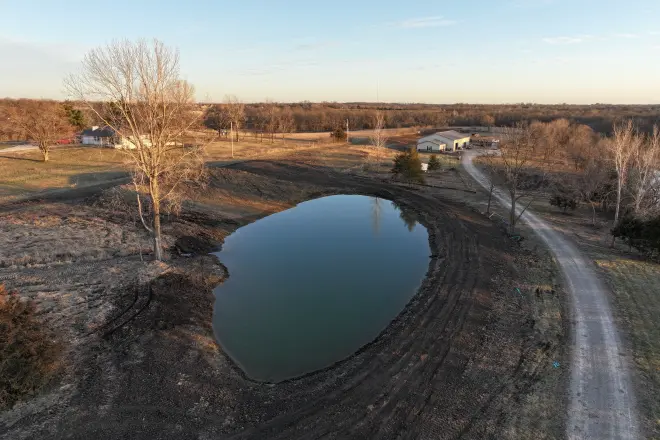
Have you ever imagined stepping outside your home and gazing at a peaceful pond right in your backyard?
Or maybe you’ve thought about adding a reliable water source for livestock or irrigation?
If so, you’re in the right place.
This guide walks you through everything you need to know about building a ¼ acre pond, from planning and permitting to construction, costs, and long-term care.
By the time you’re done reading, you’ll have a clear roadmap for turning your pond installation dreams into reality—without the stress of unexpected costs or setbacks.
Ready to get started?
Call Bulletproof Pond and Lake today or fill out the contact form to get professional pond contractors to build your ideal pond!
How to Install a ¼ Acre Pond: Step-by-Step Process
Building a ¼ acre pond requires careful planning, the right permits, and proper construction techniques.
Whether you’re installing a pond for recreation, irrigation, or livestock, following these steps ensures a healthy pond that lasts for years.
Step 1: Planning Your Pond
Before you start digging, you need to define your goals, choose a suitable site, and assess soil conditions.
These factors influence the long-term success of your pond.
Define Your Purpose
Knowing why you want a ¼ acre pond helps determine its depth, design, and stocking rates.
Common uses include:
- Fishing – Stocking largemouth bass, bluegill, and channel catfish for recreation.
- Livestock Watering – Providing a steady water source for cattle or horses.
- Irrigation – Storing water to support crops during dry seasons.
- Wildlife Habitat – Creating a beneficial environment for birds, frogs, and other species.
- Aesthetic Enhancement – Adding enjoyment and value to your property with a small pond.
Choose the Best Location
Selecting the right site ensures your pond thrives.
Ideal locations include:
- Low-lying areas – Natural depressions support water retention.
- Clay-heavy soil – Helps prevent water seepage, reducing the need for liners.
- Proximity to a water source – Runoff, springs, or wells support consistent water levels.
- Away from trees – Minimizes leaf waste buildup and reduces the risk of disease in stocked fish.
Assess Soil and Water Retention
Poor soil conditions can lead to water loss.
Testing for clay content ensures proper sealing.
- Clay-rich soil – The best choice for natural water retention.
- Sandy or gravel-heavy soil – Requires sealing with bentonite clay or synthetic liners.
- Conducting a percolation test – Helps determine whether the soil can hold water long-term.
Step 2: Understanding Legal and Permit Requirements
Regulations vary depending on your region, but most acre ponds require permits to ensure compliance with local and federal laws.
Permits You May Need
- State and local water laws – Kansas and neighboring states regulate pond construction to control water flow and protect wetlands.
- U.S. Army Corps of Engineers – Involvement of the U.S. Army Corps of Engineers may be required if your ¼ acre pond affects wetlands or natural drainage systems.
Follow the link to learn more about the permitting process for pond construction.
Zoning and Environmental Considerations
- Wetland impact – If your pond affects protected wetlands, additional approval is needed.
- Erosion control – Preventing runoff into nearby streams protects local ecosystems.
- Wildlife conservation – Some species, like redear sunfish and hybrid striped bass, help improve ecosystem balance.
Step 3: Designing the Pond
Careful design ensures your pond thrives while serving its intended purpose.
Determining Pond Dimensions and Depth
The ideal depth depends on your pond’s purpose:
- Fishing ponds – Minimum depth of 8-12 feet to sustain largemouth bass, bluegill, and channel catfish.
- Livestock or irrigation ponds – Shallower depth of 4-6 feet can work, but deeper ponds retain water better in hot summer months.
Incorporating Essential Features
Adding the right features enhances your pond’s functionality and water quality:
- Spillways and overflow systems – Prevent flooding and maintain safe water levels.
- Aeration systems – Help with algae control and improve oxygen levels for forage fish and other species.
- Shoreline grading – Reduces erosion and keeps banks stable.
Step 4: Excavation and Construction Process
Once planning and permits are complete, it’s time to break ground.
While it is tempting to DIY this step, the importance of professional pond excavation cannot be overstated.
Clearing and Preparing the Site
- Remove trees, brush, and debris to create a smooth work area.
- Ensure access to excavation equipment.
Digging the Pond Basin
- Use a bulldozer or excavator for efficient digging.
- Create gradual slopes to prevent bank collapse.
- Compact the pond bottom if needed to improve water retention.
Building a Secure Dam and Spillway
A well-built dam prevents water loss and extends the pond’s lifespan.
- Construct a watertight core using clay-rich soil.
- Install an emergency spillway to manage excess water and prevent erosion.
- Use bentonite clay or a liner if soil tests indicate seepage risks.
With proper planning and construction, your ¼ acre pond will be safe, functional, and long-lasting.
Up next, we’ll break down cost estimates and factors affecting pond construction expenses.
Cost Breakdown: How Much Does It Cost to Build a ¼ Acre Pond?
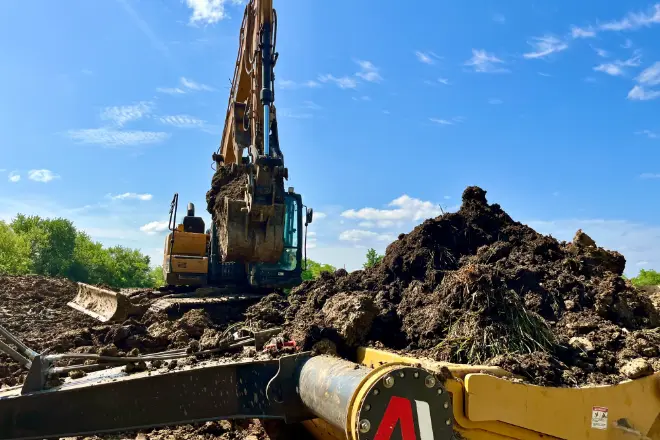
The cost of building a ¼ acre pond depends on several factors, including excavation, soil composition, and additional features.
While costs can vary, understanding these elements helps you plan your budget effectively and avoid unexpected expenses.
Estimated Costs
On average, constructing a ¼ acre pond costs around $30,000, but expenses may fluctuate based on site conditions and design choices.
Here’s what influences the price:
- Excavation and Grading – The cost of removing soil and shaping the pond will vary depending on depth and terrain.
- Soil Type – Clay-rich soil retains water naturally, while sandy or rocky soil may require costly sealing with bentonite clay or liners.
- Overflow and Drainage Systems – Installing a spillway or drainpipe prevents flooding and improves water control. This is included in the standard .25 acre pond installation service, but special conditions can lead to additional costs.
- Erosion Control Measures – If your site needs bank stabilization, adding vegetation or rock barriers may increase costs.
Additional Expenses to Consider
Beyond construction, extra enhancements can elevate your pond’s functionality and aesthetics.
- Stocking Fish – Adding largemouth bass, bluegill, and channel catfish increases pond activity and promotes a healthy pond ecosystem. Fish stocking rates and costs vary, but fathead minnows are often introduced as forage for predators like hybrid striped bass.
- Vegetation and Landscaping – Planting native grasses or cattails can help control erosion and improve water quality.
- Upgrades for Recreation – Adding a dock or peninsula enhances enjoyment but will also add to your budget. Follow the link to explore other custom pond features for your pond.
- Ongoing Maintenance Costs – Regular algae control, sediment removal, and shoreline management prevent costly repairs in the future.
Investing in a quarter-acre pond is a worthwhile choice for landowners in Kansas and nearby areas, but understanding the cost factors ensures you get the most value for your money.
Follow the link to explore the cost of building ponds of various sizes.
Next, we’ll explore the typical construction timeline so you know how long your project will take.
Construction Timeline: How Long Does It Take to Build a ¼ Acre Pond?
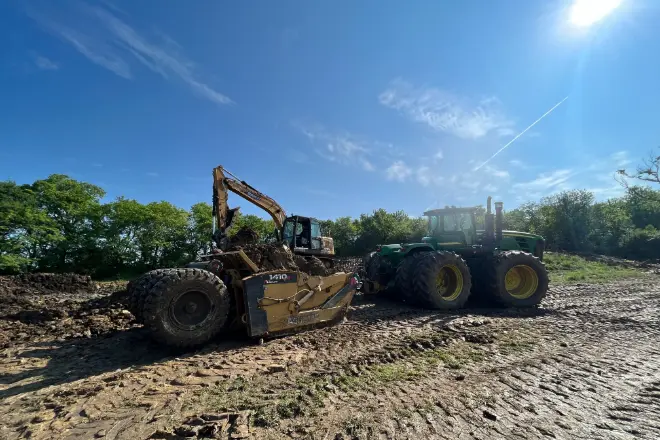
Building a ¼ acre pond is a multi-step process that generally takes one to two weeks under ideal conditions.
However, factors like weather, terrain, and permit approvals can extend how long it takes to build a pond.
Understanding these variables will help you plan accordingly and avoid unnecessary delays.
Typical Timeline for Construction
For most small ponds, the excavation and installation process follows these key steps:
- Site Preparation
- Clearing trees, brush, and debris from the designated area.
- Ensuring access for heavy machinery like excavators and bulldozers.
- Excavation and Grading
- Digging to the proper depth based on the pond’s intended use.
- Shaping slopes for erosion control and bank stabilization.
- Compacting soil or adding bentonite clay if needed for water retention.
- Installing Overflow and Drainage Systems
- Constructing spillways to prevent flooding during heavy rain.
- Installing pipes or drains to manage water levels year-round.
- Final Touches
- Planting beneficial vegetation to reduce erosion and improve aesthetics.
- Adding fish habitats if the pond will be used for stocking largemouth bass, bluegill, or channel catfish.
Factors That Affect the Timeline
Several factors can extend or shorten the time required to complete a ¼ acre pond:
- Weather Conditions – Heavy rain or extreme temperature shifts can slow excavation and delay sealing processes.
- Site Complexity – Rocky or mixed soil types require extra preparation to ensure water retention.
- Permit Approvals – In some cases, local regulations may delay the start of construction.
- Customization and Upgrades – Features like docks, islands, or fish stocking add extra time but improve the pond’s long-term benefits.
By preparing for potential setbacks, you can keep your project on track and ensure your pond thrives for years to come.
Next, we’ll explore how to maintain your pond to keep it clean, functional, and stocked with healthy fish.
Maintaining Your ¼ Acre Pond for Longevity
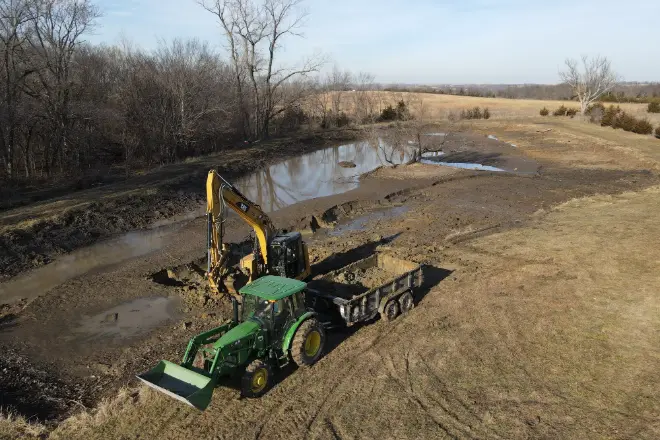
A ¼ acre pond requires consistent maintenance to prevent waste buildup, erosion, and water quality issues.
By following a routine care schedule, you can keep your pond clean, structurally sound, and stocked with healthy fish species for years to come.
Routine Maintenance
Ongoing maintenance helps ensure your pond remains functional and visually appealing.
Water Quality Management
Keeping the water clean and free of excessive nutrients prevents issues like algae blooms and fish kills.
- Limit Fertilizer Runoff – Excess nutrients from nearby fields or lawns encourage algae blooms that harm aquatic life.
- Introduce Beneficial Plants – Native vegetation helps filter out contaminants and stabilize the shoreline.
- Manage Fish Stocking – Overstocking largemouth bass, channel catfish, and bluegill without proper balance can lead to overpopulation and reduced growth rates.
Structural Inspections
Regularly checking key pond structures prevents erosion and drainage failures.
- Inspect the Dam and Banks – Ensure soil remains compact and free of leaks or washouts.
- Monitor Overflow and Drainage Systems – Clear debris from spillways and pipes to prevent flooding.
- Check for Shoreline Erosion – Reinforce banks with vegetation or rock barriers if signs of erosion appear.
Long-Term Maintenance Considerations
Over time, sediment, fish waste, and organic matter settle at the bottom of the pond, gradually reducing depth and water capacity.
Muck Removal Schedule
- Spot Removal (Every 15–25 Years) – Removing small patches of accumulated muck helps maintain proper depth and prevents excessive buildup.
- Full Dredging (Every 50–70 Years) – A complete removal of sediment and organic debris restores the pond’s size and improves water quality.
Proper maintenance keeps your ¼ acre pond in optimal condition, ensuring it remains a thriving habitat for fish, wildlife, and recreation.
Bulletproof Pond and Lake: Your ¼ Acre Pond Experts
By now, you know exactly what it takes to plan, build, and maintain a ¼ acre pond that will thrive for years.
From understanding costs and timelines to mastering long-term upkeep, you have all the knowledge needed to make informed decisions.
But why go through the hassle alone?
Bulletproof Pond and Lake has the expertise, equipment, and experience to handle every aspect of your pond installation, ensuring it’s done right the first time.
Let our professional pond contractors get started on your dream pond!