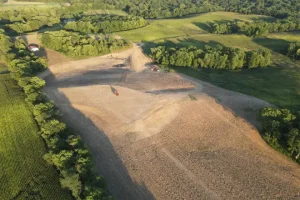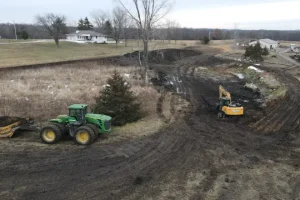
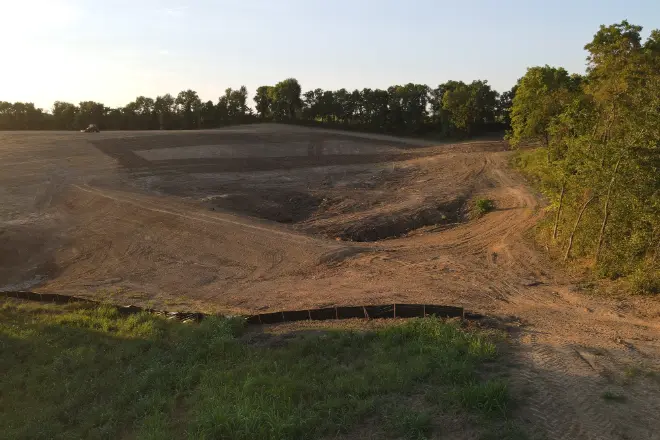
Digging Into the Numbers Without Digging Yourself a Hole
Are you trying to figure out what pond excavation actually costs per acre and getting frustrated by vague ranges or oversimplified answers?
Wondering why one landowner pays far more per acre than another for what seems like a similar pond?
In this post, you will learn why there is no flat pond excavation cost per acre, what factors truly drive pricing, and how pond size, depth, soil, and design all work together to shape the final number.
By the end, you will be able to set realistic expectations, spot misleading estimates, and plan a pond project that makes sense for your land and long-term goals.
If you are ready to talk through your property and get real acreage pond installation cost answers, reach out to Bulletproof Pond & Lake by calling or filling out the contact form.
Pond Excavation Cost Per Acre (Straight Answer)
There is no flat pond excavation cost per acre, especially across regions where conditions range from Missouri clay bottoms to the rocky ground found in parts of Oklahoma and Texas.
That is the first thing to understand before planning any pond work.
The total cost of an acre pond depends on several key factors that change how much digging, equipment, labor, and material are required for the job, which are explained in more detail in our guide to pond excavation cost factors.
What actually drives pond excavation pricing:
- Total pond size, including surface area and depth
- Soil conditions and overall soil type across the site
- Topography and how water naturally moves across the land
- Dam and core trench requirements needed to hold water
- Access for heavy equipment and how far dirt must be moved
- Spoil handling, including how many truckloads are required
- Additional features like spillways, habitat shelves, or shoreline shaping
As a planning reference only:
- Smaller ponds, like a half-acre pond, usually have higher costs per acre
- Larger ponds often have lower costs per acre because equipment time and labor can be spread out more efficiently
This is why a 1-acre pond and a multi-acre pond rarely pencil out the same way, even on similar property.
Typical Pond Excavation Cost Ranges by Pond Size
The size of your pond is one of the biggest drivers of total cost.
Larger ponds require more excavation, more dirt moved, and longer timelines, but the cost per acre often becomes more efficient as size increases.
Below is a clear breakdown of typical pond excavation costs by size, based on real pond construction projects.
Small Ponds (Under 1 Acre)
- 0.25 Acre Ponds: $30,000
- Features: Earthen pond, includes overflow system
- Timeline: 1–4 weeks
Smaller ponds often have the highest cost per acre, even though the overall price is lower. That is because excavation equipment, labor, and site preparation are still required, just spread across fewer acres.
These ponds are commonly built for aesthetics, wildlife support, or limited recreational use and still require proper grading and water control to perform long-term.
1-Acre Ponds
- 1 Acre Ponds: $45,000
- Features: Earthen pond, includes overflow system
- Timeline: 1–4 weeks
A 1-acre pond is a common benchmark size and offers a good balance between usable water space and predictable costs, which we break down further in our 1-acre pond cost guide.
This size supports a wide range of uses, including fishing pond applications, while still keeping timelines and budgets manageable.
At this scale, excavation efficiency improves, and costs are easier to plan for than in smaller ponds.
Medium-Size Acreage Ponds (2–3 Acres)
- 2 Acre Ponds: ~$60,000
- Features: Earthen pond, includes overflow system
- Timeline: 3–5 weeks
- 3 Acre Ponds: ~$90,000
- Features: Earthen pond, includes overflow system
- Timeline: 3–5 weeks
As pond size increases, excavation becomes more efficient.
Equipment stays on site longer, dirt is moved more effectively, and fixed costs are spread across more acreage.
These sizes are popular for recreational use, wildlife habitat, and larger fishing goals.
Large Ponds and Lakes (5 Acres and Up)
- 5 Acre Ponds: ~$120,000
- Features: Earthen pond, includes overflow system
- Timeline: 4–6 weeks
- 5+ Acre Ponds: $125,000 and up
- Features: Earthen pond, includes overflow system, highly customizable
- Timeline: Custom timeline, depends on upgrades selected
Larger ponds offer the greatest design and use flexibility.
They also benefit from the lowest cost per acre in many cases, since excavation, labor, and equipment time are used more efficiently across the project.
Choosing the right pond size depends on your budget, your property, and how you plan to use the pond, whether for visual appeal, recreational fishing, or supporting local wildlife.
Why Pond Excavation Is Not Priced Per Acre
Pond Depth and Volume Matter More Than Surface Area
Two ponds with the same acreage can have very different excavation volumes.
Deeper ponds require:
- More digging
- More moving dirt
- More compaction and shaping time
This directly increases the number of cubic yards removed and the overall cost, even though the surface area is the same.
Dam and Core Trench Requirements
A dam is not an optional upgrade.
It is a structural element that protects the pond and the surrounding property.
Core trenches must be:
- Excavated down to stable soil or good clay
- Compacted in lifts to prevent leaks
Cost depends on:
- Soil conditions
- Dam height and length
- Whether the soil can naturally hold water or needs help
Poor dam construction is one of the most expensive pond excavation mistakes landowners can make.
Soil Type and Excavation Difficulty
Soil type plays a major role in excavation pricing.
- Clay soils can hold water well but require precise compaction
- Rocky soil, sand, or mixed soils increase excavation time
- Rocks slow down digging and increase machine wear
In poor soil conditions, projects may require:
- Importing clay
- Additional sealing methods, like a synthetic liner
- Extra labor and equipment time
All of these increase costs quickly.
Site Conditions That Most Affect Pond Excavation Cost
Topography and Natural Drainage
Sloped land increases grading and shaping requirements.
Flat sites may still need:
- Engineered drainage
- Spillway placement to manage spring runoff
Improper grading leads to long term failures, erosion, and more money spent later on repairs.
Access and Equipment Movement
Access to the site matters more than many people assume.
Limited access can mean:
- Smaller machines
- More labor hours
- Slower excavation
Soft ground may require specialized equipment to avoid getting stuck. Distance for hauling dirt also impacts fuel use, labor, and truck loads.
Spoil Placement and Material Handling
How dirt is handled after excavation affects the overall cost.
Least expensive option:
- Spreading material onsite
Higher cost options include:
- Moving material behind the dam
- Burying material onsite
- Exporting material offsite
Each option changes how long equipment is running and how much labor is involved.
Features and Upgrades That Change Cost Per Acre
Spillways and Overflow Control
Spillways protect dams during heavy rain events, which is critical in areas that see intense spring storms and sudden downpours like Kansas, Missouri, Arkansas, and Texas.
Design depends on:
- Watershed size
- Rainfall patterns
- Local drainage conditions
Improper spillways lead to erosion, dam failure, and major repair costs.
Shoreline Shaping and Stabilization
Shoreline work affects both appearance and maintenance.
- Gentle slopes reduce erosion and save money long term
- Steep banks increase sediment buildup
Rock, plantings, and grading add upfront cost but often save on future pond maintenance.
Habitat, Fishing, and Recreational Enhancements
Many landowners want a fishing pond or recreation space.
Common additions include:
- Fish shelves
- Deeper basins
- Boat ramps or swim areas
These additional features increase excavation complexity, not just surface area.
Permits and Compliance That Influence Excavation Scope
Acreage Disturbance Thresholds
Projects that disturb more than one acre may require:
- Stormwater Pollution Prevention Plans
- Additional erosion control measures
- More documentation and inspections
Permits add time and cost to the project but protect the land long term, which is why knowing the permitting process for pond construction is crucial.
Watershed, Wetland, and Drainage Considerations
Ponds connected to streams, wetlands, or runoff paths face stricter requirements.
Design changes to meet regulations can affect:
- Excavation scope
- Equipment needs
- Total cost and timeline
Pond Excavation Timeline Expectations
Planning and Site Evaluation Phase
Before digging begins, proper planning is critical.
This phase includes:
- Soil testing
- Topographical review
- Drainage and watershed analysis
- Aligning pond design with landowner goals
Skipping this step often leads to higher costs later.
Excavation and Construction Phase
Excavation timelines scale with:
- Pond size
- Weather conditions
- Soil and access challenges
Some projects may take only half a day to start moving dirt, while larger ponds require weeks of coordinated excavation work.
Larger ponds usually take longer overall but move faster per acre once equipment is fully staged, which we explain in more detail in our guide on how long it takes to build a pond.
Long-Term Cost Considerations Tied to Excavation Quality
Sediment Control and Depth Preservation
Proper excavation helps reduce future problems.
- Correct depth planning slows sediment buildup
- Poor depth planning leads to premature filling
This directly impacts maintenance frequency and money spent over time.
Maintenance and Cleanout Cycles
Well-built ponds require:
- Less frequent muck removal
- Fewer structural repairs
- Lower long-term labor and material costs
Cutting corners during excavation may save money upfront, but it often leads to higher costs over the life of the pond.
Ready to Stop Guessing and Get Your Pond Done Right? Bulletproof Pond & Lake Can Help
You now know why pond excavation cost per acre is not a flat number, how size, soil, depth, and design affect pricing, and what realistic cost ranges look like for different pond sizes.
More importantly, you can spot oversimplified estimates before they turn into expensive mistakes.
When you are ready to move from planning to action, the pond builders at Bulletproof Pond & Lake can handle the excavation, design, and construction process from start to finish.
We build ponds the right way, with proper soil evaluation, structural integrity, and long-term performance in mind, so your investment actually holds water and value.