Pond Possibilities: Making a Splash on Your Land
Have you ever wondered if that unused patch of your land could become a picturesque pond? Or maybe you’re curious about the benefits and processes of building a pond in your backyard?
You’re in the right place.
In this post, you’ll learn everything from assessing your property’s suitability to navigating the permitting process in Kansas City, KS, and surrounding areas.
We also briefly cover the design process since thorough planning and research help prevent common mistakes, such as failed water retention or unsuitable locations.
By the end, you’ll be equipped with the knowledge to transform your property into a serene aquatic haven with an acreage pond installation.
Assessing Your Property
Evaluating Suitability
Before starting pond construction, it’s crucial to assess if your land is suitable for a pond.
This involves examining the soil type, topography, water sources, and potential environmental impacts.
Soil Type and Topography
The type of soil on your property plays a significant role in pond building.
Here’s why:
- Soil Testing: Soil testing is essential to determine if the soil can hold water effectively. Clay soil is ideal as it retains water well, while sandy soil might not be suitable due to its porous nature. Constructing a water feature in the wrong type of soil can lead to pond leaking. Bulletproof Pond and Lake analyzes multiple soil samples for every pond we install to ensure the soil can retain water.
- Topography: The land’s topography affects water flow and pond stability. A natural depression or low-lying area is ideal for pond construction. Flat areas may require more excavation and soil movement. Bulletproof Pond and Lake includes a topographical assessment as part of our process for building a pond.
For fish ponds, specific soil and topography considerations are also crucial to ensure a healthy aquatic environment.
Water Source and Hydrology
A reliable water source is crucial for maintaining your pond’s water levels.
Consider these factors:
- Identifying Water Sources: Look for natural springs, streams, or rainwater runoff. Spring-fed ponds or those sourced from a nearby creek are excellent options. Keep in mind that a USGC (United States Geological Survey) blue-line stream will require the involvement of the Army Corps of Engineers in the planning, scheduling, and inspection process.
- Understanding Watershed and Runoff: Ensure that the watershed area is large enough to fill and maintain the pond. Proper watershed management prevents overflow and erosion, ensuring the pond remains a healthy ecosystem.
Environmental Impact
Creating a pond can significantly impact the local environment.
It’s essential to consider both positive and negative effects.
Ponds can serve multiple purposes, including agricultural water supply, irrigation, and fire protection, highlighting the importance of careful planning when it comes to pond construction.
Local Ecosystem Considerations
Ponds provide numerous benefits to local wildlife, but they can also disrupt existing ecosystems.
- Potential Effects on Local Wildlife: A well-designed pond can attract wildlife like birds, frogs, and beneficial insects. However, it may also disrupt habitats if not carefully planned.
- Balancing Ecological Benefits and Risks: Ensure that the pond supports the local ecosystem by planting native plants and providing habitats for various species.
Stormwater Management and Erosion Control
Effective stormwater management is vital for maintaining water quality and preventing erosion.
- Designing to Manage Stormwater: Incorporate features that manage stormwater, such as overflow channels and sediment basins.
- Importance of Proper Drainage: Good drainage prevents waterlogging and protects the pond structure. It also ensures that the pond doesn’t negatively impact surrounding areas.
In Kansas City, KS, assessing these factors will help you determine the feasibility of building a pond on your property, ensuring it benefits both your land and the local environment.
Regulatory Requirements for Acreage Ponds
Navigating the regulatory landscape is crucial when considering pond construction.
Ensuring compliance with federal, state, and local laws will save you time and money while helping you avoid potential legal issues.
Permits and Legalities
Understanding the necessary permits and legalities is the first step in the regulatory process.
Involvement of the U.S. Army Corps of Engineers
Federal regulations often come into play when building a pond, especially if it affects waterways.
- Federal Regulations and When They Apply: The U.S. Army Corps of Engineers will likely need to be involved if your pond impacts navigable waters or wetlands or involves high dam construction. Please note that there are other criteria besides the ones listed above that would trigger the involvement of the USACE.
- Navigating the Application Process: This typically involves submitting detailed plans and environmental impact assessments. Consulting with the Corps early can streamline the process.
State and Local Permits
State and local regulations vary, and it’s essential to understand these before starting your project.
- Overview of Kansas-Specific Requirements: In Kansas City, KS, you may need permits from local authorities or the state wildlife department. Requirements can include soil testing and hydrology reports.
- Key Local Regulations to Consider: These may involve setbacks from property lines, water usage rights, and specific construction standards.
Stormwater Pollution Prevention Plan (SWPPP)
An SWPPP is often required to manage and mitigate the effects of stormwater runoff during and after construction.
Necessity and Components of SWPPP
A well-crafted SWPPP is vital for environmental compliance and protecting water quality.
- Key Elements of a SWPPP: Includes erosion control measures, sediment barriers, and plans for managing stormwater flows.
- Best Management Practices for Stormwater Control: Implementing practices such as silt fences, retention basins, and vegetative cover can help minimize environmental impacts.
Kansas Process for Pond Permitting
In Kansas City, KS, following the correct process for obtaining permits is essential for a successful pond project.
Permit Requirements
Knowing what permits are required and how to obtain them is crucial.
- Overview of Required Permits: Permits may be needed from state and local agencies, depending on the size and impact of the pond. Discuss your project with the Kansas Department of Wildlife, Parks, and Tourism (KDWPT).
- Key Considerations for Compliance: Ensure you understand all regulatory requirements, including environmental assessments and public notices. If your pond will be used for irrigation or other uses, you will need a water right from the from the Kansas Department of Agriculture (KDA).
Steps to Obtain a Permit
Following a step-by-step process can help streamline your permit application.
- Step-by-Step Process for Application: Start with preliminary research, gather necessary documents, and consult with relevant authorities.
- Tips for a Smooth Approval: Engage with the local wildlife department and other agencies early, submit complete applications, and be prepared for site inspections.
Understanding these regulatory requirements will help you navigate the pond construction process efficiently and ensure your project is compliant with all legal standards.
Follow the link to explore the permitting process for pond construction in other states surrounding Kansas.
Pond Planning and Preparation
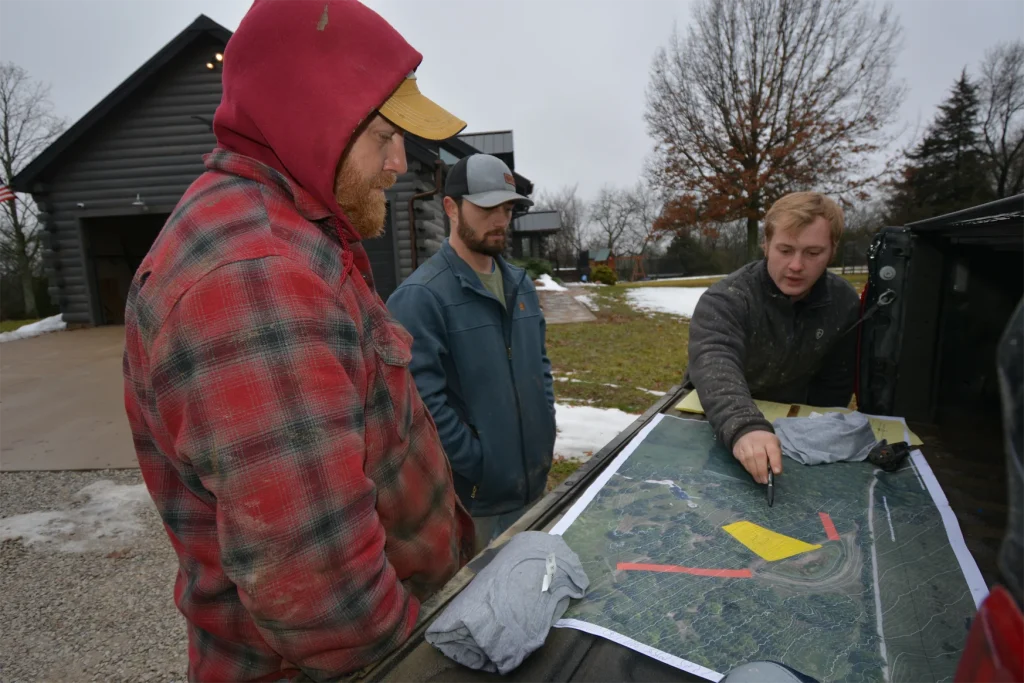
Proper planning and preparation are crucial steps in the pond-building process.
This is why it’s crucial to choose the right pond construction company that can help guide you through the process.
This section outlines key aspects such as site selection, soil testing, and designing the layout of your pond to ensure a successful project.
Initial Planning
Site Selection
Selecting the right location for your pond is essential for its functionality and sustainability.
- Criteria for Choosing the Best Location:
- Look for a natural depression or low-lying area to minimize excavation costs.
- Ensure the site has access to a reliable water source, such as a stream or rain runoff.
- Environmental and Aesthetic Considerations:
- Consider the impact on local wildlife and the overall landscape.
- Choose a site that enhances the visual appeal of your property and integrates well with existing features.
Soil Testing
Soil testing is an indispensable part of the initial planning phase.
- Methods for Testing Soil Suitability:
- Conduct a percolation test to determine if the soil holds water effectively.
- Test for clay content, as clay-rich soil is ideal for pond construction.
- Interpreting Soil Test Results:
- High clay content indicates good water retention.
- Sandy soil may require additional lining to prevent water leakage.
Pond Construction: Design and Layout
Creating a well-thought-out design for your pond ensures it meets your needs and fits well within your landscape.
When designing fish ponds, specific considerations such as depth, aeration, and placement are crucial to support aquatic life and maintain ecological balance.
A professional pond construction company such as Bulletproof Pond and Lake can help you determine the best design and layout for your pond as well as recommend custom pond features to enhance your pond’s functionality and aesthetics.
Pond Size and Shape
Determining the size and shape of your pond involves several factors.
- Factors Influencing Size and Shape:
- The intended use of the pond, such as a fishing pond or a decorative feature.
- The available space on your property.
- Design Tips for Functionality and Aesthetics:
- Incorporate gentle slopes to prevent erosion and make maintenance easier.
- Design the pond with varying depths to support different aquatic plants and fish.
Depth and Water Source
The depth of your pond affects its ecological balance and usability.
- Optimal Depth for Different Pond Uses:
- For a fishing pond, aim for a depth of at least 8-12 feet to support fish during all seasons.
- Shallower areas (2-4 feet) are suitable for aquatic plants and attracting wildlife.
- Ensuring a Consistent Water Supply:
- Identify and secure a reliable water source, such as a natural spring or stream.
- Consider installing a rainwater collection system to maintain water levels during dry periods.
Careful planning and preparation can significantly enhance the success of your pond construction project, ensuring it meets your needs and integrates well with your property in Kansas City, KS.
Practical Tips for a Smooth Pond Permitting Process
Securing the necessary permits for pond construction can be a challenging process, but following these practical tips can help ensure a smoother experience.
Consultation with Authorities
Engaging with local authorities early in the planning process can streamline your permitting journey.
Initial Meetings
Initial consultations with relevant agencies are crucial to understanding the specific requirements of your project.
- Importance of Early Consultations:
- Helps clarify the regulatory landscape and specific local requirements.
- Provides an opportunity to ask questions and gather necessary information.
- Preparing for Meetings with Authorities:
- Bring detailed plans and documentation of your proposed pond.
- Be ready to discuss your water source, soil type, and environmental impact assessments.
Application Preparation
Thorough preparation of your application is essential for avoiding delays and ensuring approval.
- Compiling Necessary Documentation:
- Gather soil test results, hydrology reports, and site plans.
- Include detailed descriptions of the pond’s size, depth, and intended use, whether it’s a farm pond or fishing pond.
- Common Application Pitfalls:
- Incomplete applications or missing information can lead to delays.
- Ensure all forms are filled out correctly and all required documents are included.
Environmental Impact Assessments
Conducting thorough environmental impact assessments (EIAs) helps address potential ecological concerns and supports a successful permit application.
Conducting Assessments
Proper EIAs are critical to identifying and mitigating environmental impacts.
- Steps for Conducting Thorough Assessments:
- Evaluate potential effects on local wildlife and water quality.
- Consider both short-term construction impacts and long-term ecological changes.
- Involving Environmental Experts:
- Hiring professionals can ensure comprehensive and accurate assessments.
- Experts can provide valuable recommendations for mitigating negative impacts.
Submitting Findings
Presenting your EIA findings effectively is crucial for demonstrating compliance and gaining approval.
- How to Present Findings Effectively:
- Summarize key points clearly and concisely.
- Include visual aids like maps and diagrams to illustrate potential impacts and mitigation measures.
- Addressing Potential Concerns:
- Be proactive in addressing any issues raised by regulatory bodies.
- Offer solutions and adjustments to your plans as necessary to meet environmental standards.
By following these tips and maintaining clear communication with authorities, you can navigate the permitting process more efficiently and ensure your pond project complies with all necessary regulations in Kansas City, KS.
Make a Splash with Bulletproof Pond and Lake
By following this guide, you’ve learned the critical steps involved in assessing your land, understanding regulatory requirements, and effectively planning your pond construction.
Equipped with this knowledge, you can confidently proceed with your pond project, ensuring it’s both functional and compliant.
Bulletproof Pond and Lake can take your vision from concept to reality, expertly handling all aspects of acreage pond installation.
Ready to transform your property with a stunning new pond?
Fill out our contact form today, or give us a call to get started!