Dive into Pond Perfection: Building Your Kansas City Oasis
Have you ever dreamt of having a serene pond on your property, where wildlife thrives, and relaxation meets recreation?
Or perhaps you’re looking for a functional pond to support your livestock or irrigation needs?
No matter your goal, creating a pond in the Kansas City metro area involves more than just digging a hole and filling it with water.
From site selection to permits and proper construction techniques, there’s a lot to consider.
In this guide, we’ll walk you through every construction step, ensuring your pond is not only functional but built to last for years to come.
Let’s dive in and explore the ins and outs of pond construction so your project stays on track and meets all the requirements for a beautiful, sustainable water feature!
Key Considerations for Pond Construction
Building a pond in the Kansas City metro area involves more than simply digging and filling a hole with water.
To ensure long-term success, you’ll need to consider several key factors, including the pond’s size, depth, and site preparation.
These elements are crucial to creating a functional, sustainable water feature that adds value to your property.
Pond Size and Depth
When designing your pond, its size and depth will depend on the intended use, whether for fishing, livestock, or a peaceful retreat.
- Size Requirements: Larger ponds are better suited for supporting fish, livestock, or custom features like boat ramps. Smaller ponds can be ideal for aesthetic designs.
- Depth Recommendations: Ponds intended for fish or water retention generally require depths between 8 and 12 feet to maintain optimal water quality and prevent freezing during winter months.
Site Preparation and Soil Testing
Proper site preparation and soil testing are essential to avoid future issues like leaks or erosion.
- Site Selection: Choose a location with natural slopes or areas that allow for easy drainage and water retention.
- Soil Testing: Testing the soil is crucial to ensure it can hold water. Kansas clay is ideal for pond construction, while sandy or rocky soils may require additional measures, like liners, to prevent seepage.
Managing Leaky Ponds and Seepage Prevention
Early detection and prevention are key to maintaining a functional pond.
- Warning Signs: Keep an eye out for low water levels or unexplained seepage around the pond’s perimeter.
- Solutions: Using clay cores or installing synthetic liners can help seal the pond, preventing water loss and ensuring long-term stability.
Permitting Process for Pond Construction in Kansas City
Before breaking ground on any pond construction project in the Kansas City area, it’s essential to navigate the necessary permits and regulatory steps.
The permitting process for pond construction ensures that your pond complies with state and federal laws, helping you avoid delays or fines during the building process.
Here’s what you need to know about getting the right approvals for your project.
Kansas-Specific Permits and Water Rights
In Kansas, obtaining the proper permits and water rights is key, especially for ponds used for irrigation, agricultural, or recreational purposes.
- Kansas Department of Agriculture: For ponds used in irrigation or agriculture, water rights must be secured through the Kansas Department of Agriculture. This guarantees that your pond will be compliant with state water use regulations.
- Consulting with Kansas Wildlife & Parks: It’s vital to ensure that your pond design does not disrupt local ecosystems or wildlife habitats. Consulting with Kansas Wildlife & Parks can help you avoid any environmental issues.
U.S. Army Corps of Engineers Involvement
Certain pond construction projects require approval from the U.S. Army Corps of Engineers, especially for large ponds or lakes.
- Approval Conditions: If your pond exceeds 50 acre-feet of water or involves dam construction, you will need approval from the U.S. Army Corps of Engineers. This step ensures that your pond complies with federal regulations, particularly if it’s built near wetlands or streams.
Stormwater Pollution Prevention Plan (SWPPP)
For new ponds that disturb more than one acre of land, a Stormwater Pollution Prevention Plan (SWPPP) is required.
This plan focuses on controlling water runoff and protecting the surrounding environment.
- Large Projects: Projects of significant scale require a SWPPP to manage erosion, prevent sediment from entering nearby water sources, and maintain water quality.
By following these permitting steps, you ensure that your pond construction stays within legal bounds and contributes positively to the local environment.
Pond Design for Functionality and Sustainability
Designing a pond that not only meets your needs but also thrives in the long term requires careful planning.
Whether you’re building for recreational use, fish habitats, or to add value to your property, sustainable pond design plays a critical role in ensuring that your pond serves its purpose for years to come.
Designing for Long-Term Use
The design of your pond should reflect its primary function—be it for fishing, livestock, or a peaceful retreat.
- Shape and Depth: Varying the depth and shape can help you create a balanced environment for fish and aquatic life. For fishing ponds, deeper zones (around 8–12 feet) provide cooler water, which is crucial for fish health and maintaining water quality.
- Pond Types: From farm ponds to decorative water features, the design should reflect the pond’s primary use while maintaining a balance with the surrounding nature.
Spillways, Drainage, and Overflow Systems
Proper drainage and spillway systems are essential to prevent flooding and ensure that your pond remains healthy.
- Preventing Flooding: Installing spillways and overflow systems helps manage water levels, especially during heavy rains. Without these systems, water buildup can damage your pond’s structure and surrounding land.
- Drainage Systems: Effective drainage not only prevents erosion but also helps maintain consistent water levels, which is critical for the health of aquatic life and the long-term sustainability of your pond.
A well-thought-out pond design ensures that your pond functions efficiently and maintains its ecological balance, providing both beauty and utility to your property.
The Excavation Process: Techniques for a Successful Pond Build
Excavating a pond in the Kansas City area involves more than just digging a hole.
It requires precise techniques to ensure proper water retention, long-term stability, and the ability to withstand natural elements.
Professional pond excavation is essential to avoid common pitfalls and ensure that your pond functions as intended for years to come.
Excavation and Grading Techniques
Professional excavation is a critical phase in any pond construction project.
Proper grading and leveling create the foundation for a stable, sustainable pond.
- Proper Grading: Grading the land correctly ensures that water flows and drains as needed. A standard slope of 3:1 (three feet of horizontal distance for every one-foot drop) prevents erosion.
- Heavy Equipment: The right equipment—including scraper systems—ensures the excavation is deep enough and that the site is graded to perfection. Professional teams with the right skills use specialized tools to achieve precision and speed.
Pond Lining and Sealing for Water Retention
To prevent leaks and maintain the highest quality water retention, ponds must be properly lined and sealed.
- Lining Options: Depending on your pond’s purpose, you may choose a natural clay liner or opt for synthetic liners. Clay is ideal for Missouri and Kansas soils, while synthetic liners offer added protection in certain cases.
- Clay Sealing: Compacting bentonite clay into the base of the pond provides an effective seal, preventing seepage and ensuring long-term water retention.
Preventing Erosion and Sediment Control
Preventing erosion and managing sediment buildup are essential for long-term pond maintenance and health.
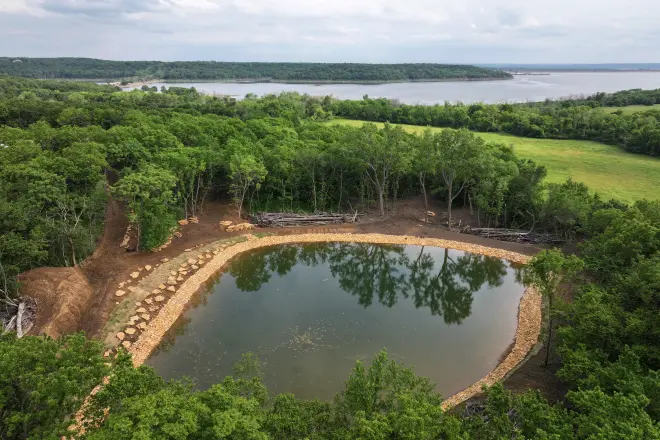
- Bank Stabilization: Properly sloping the pond’s banks, combined with the use of vegetation or riprap, prevents erosion and keeps the pond’s structure intact.
- Sediment Control: Controlling sediment ensures that your pond maintains its depth over time. A professional team can install sediment traps or filtration systems to minimize the impact of runoff.
Investing in professional excavation not only ensures that your pond is structurally sound but also guarantees that it functions efficiently for years to come.
Designing a Pond for Wildlife and Recreation
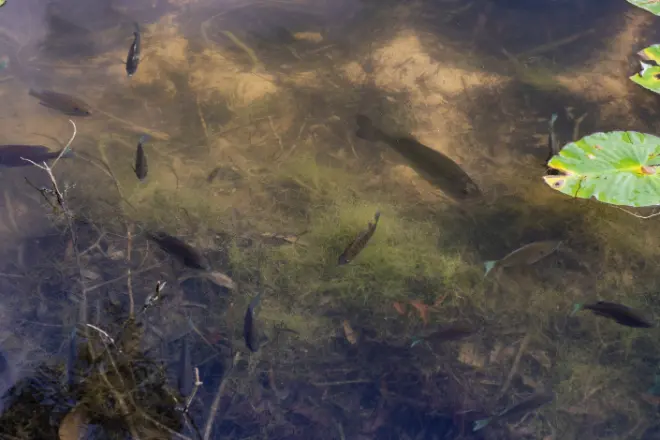
Creating a pond that supports both wildlife and recreational use requires thoughtful planning and execution.
A well-designed pond can provide a habitat for local species, serve as a peaceful retreat, or even function as a fishing spot.
In the Kansas City area, balancing ecological health with personal enjoyment is key to a successful pond construction project.
Creating a Habitat for Fish and Aquatic Life
A thriving pond isn’t just about water—it’s about the life that depends on it.
Designing your pond to support fish and aquatic plants ensures a balanced ecosystem.
- Species Considerations: Stock your pond with fish species like bass, bluegill, or catfish, which thrive in Kansas ponds. These fish not only create an active, healthy environment but also make your pond suitable for recreational fishing.
- Aquatic Plants: Incorporating aquatic plants such as water lilies or cattails helps improve water quality and provides shelter for fish and amphibians. This also enhances the pond’s role in supporting local nature.
Balancing Recreational Use and Ecological Health
Whether you want a fishing pond or a serene space for relaxation, it’s essential to balance recreational activities with the pond’s natural ecosystem.
- Fishing and Wildlife Coexistence: With proper design, your pond can serve as a recreational fishing spot while also sustaining local wildlife. Varying depths and strategic plant placement help create a habitat for fish while minimizing disruption to other species. Follow the link to learn more about how to build a wildlife pond.
- Water Quality Maintenance: Installing water features like a silt pond can help maintain water quality, improving oxygen levels and supporting both wildlife and fish health.
Maintenance and Long-Term Upkeep
Keeping your pond in top shape ensures its long-term success and preserves both its functionality and aesthetic appeal.
- Biological Filtration Systems: Adding natural filtration systems, such as wetland plants or a silt pond, helps keep the water clean by reducing excess nutrients and preventing algae buildup.
- Erosion Control: Regularly monitoring and maintaining the pond’s banks is crucial. Implementing erosion control methods, such as planting grasses or using riprap, ensures the pond’s stability over time.
By combining wildlife-friendly features with recreational design, your pond can become a natural oasis that enhances your property while supporting local nature.
Timeline and Costs for Pond Construction in Kansas City
Understanding the timeline and budget for your pond project is essential to ensure everything runs smoothly and stays within financial expectations.
Whether you’re building a small residential pond or a larger lake for recreational purposes, factors like excavation, materials, and permits can impact both the duration and the overall cost of the project.
Cost Breakdown for Pond Construction
The total cost of a pond construction project depends on various factors, including the pond’s size, complexity, and location.
Here’s what to consider when planning your budget:
- Excavation Costs: The bulk of your pond’s construction costs will come from excavation. Larger ponds require more time, heavy machinery, and labor, which drives up the price.
- Materials and Features: Costs for pond liners, water features, filtration systems, and plants can vary widely based on the quality and type of materials you choose.
- Additional Expenses: Permits, erosion control systems, and spillway installations can add to the overall budget.
Project Timelines for Pond Construction
The time required to complete your pond project depends on several factors, such as the pond’s size, site conditions, and permit approvals.
- From Start to Finish: On average, it takes several weeks to complete a pond, from securing permits to finishing the excavation and installing key features. Follow the link to learn more about how long it takes to build an acreage pond.
- Smaller vs. Larger Ponds: Smaller residential ponds can be completed in a shorter timeframe (1–4 weeks), while larger lakes or more complex ponds may take several months to finish, depending on the project scope.
Proper planning and clear communication with your contractor will help ensure that your pond construction stays on track and meets your vision, whether you’re developing a peaceful garden feature or a fully functional fishing pond.
Build the Perfect Pond with Bulletproof Pond and Lake
With the right planning, design, and construction techniques, you can create a pond that adds beauty, value, and functionality to your property.
This guide covered all the key factors you need to consider, from site preparation to long-term maintenance, to ensure your pond is built to last.
At Bulletproof Pond and Lake, we specialize in delivering customized pond construction solutions.
Whether you’re looking to create a serene fishing pond or a larger water feature for your acreage, our team has the skills and experience to handle every aspect of your project with precision.
If you’re ready to bring your pond project to life, fill out our contact form today or give us a call to get started on your dream pond!