Key Points
- Choose the Right Location and Soil – A ½ acre pond should be built in a low-lying area with clay-rich soil to ensure water retention and minimize excavation costs. Avoid tree-heavy sites to reduce debris accumulation and maintenance.
- Follow Legal and Permit Requirements – Local and federal permits may be required for pond installation, especially if it affects wetlands or water sources. Contact local authorities early to avoid delays and fines.
- Ensure Proper Design and Construction – A fishing pond needs a depth of 8-12 feet, while irrigation or livestock ponds can be shallower. Proper grading, aeration, and erosion control help maintain water quality and structural stability.
Making a Splash: Your Guide to ½ Acre Pond Installation
Have you ever dreamed of having a peaceful, private pond right on your property?
Or are you looking for a reliable water source for livestock, irrigation, or even fishing?
Building a ½ acre pond is an exciting investment, but it requires careful planning to ensure it lasts for years to come.
In this guide, we’ll walk you through everything you need to know about 1/2 acre pond installation—from choosing the perfect location and navigating permits to construction, costs, and long-term maintenance.
By the time you’re done reading, you’ll have a clear roadmap to turn your vision into reality—without the stress of unexpected expenses or costly mistakes.
Ready to dive in?
Call Bulletproof Pond and Lake today or fill out the contact form to get expert help with your pond project!
Planning Your ½ Acre Pond: Site Selection & Design
Before diving into digging a half-acre pond, selecting the right site is crucial.
Proper planning ensures water retention, minimizes erosion, and creates a balanced ecosystem.
Whether you’re installing a pond for fish, irrigation, or aesthetics, making informed decisions now will save money on future maintenance and repairs.
Define the Purpose of Your Pond
The first step in planning a ½ acre pond is determining its primary use.
Each purpose affects depth, shape, and maintenance needs:
- Fishing Pond – Requires a minimum depth of 8-12 feet to support fish species like bass and catfish. An aeration system is recommended for oxygen circulation and water quality.
- Livestock Watering – Needs a gradual slope for easy animal access and a sturdy shoreline to prevent erosion.
- Irrigation Pond – Should be located near cropland with an efficient drainage system to regulate water quantity and fill levels.
- Wildlife Habitat – Incorporating natural vegetation like cattails and water plants attracts birds, frogs, and beneficial insects.
- Aesthetic or Recreational Use – Adding a dock or a rock-lined edge enhances beauty and fun for families.
Choosing the Best Location
Your pond’s site impacts water retention, excavation costs, and maintenance.
Ideal locations include:
- Low-lying areas – Naturally collect water, reducing the need for filling with external sources.
- Clay-rich soil – Helps prevent leaks, minimizing the need for bentonite clay or synthetic liners.
- Away from trees – Keeps dead vegetation from spreading into the pond, reducing muck accumulation.
- Near a reliable water source – Springs, runoff, or wells can help maintain water levels year-round.
Soil and Water Retention Assessment
The wrong soil can cause seepage, leading to water loss and costly repairs.
Before digging, conduct a percolation test to assess soil suitability.
- Best soil type: Clay-heavy soil holds water naturally and reduces the need for liners.
- Challenging soil: Sandy or gravel-based soil allows water to seep out, requiring bentonite clay or synthetic liners to eliminate leaks.
- Pond grading: A properly graded bottom and shoreline prevent erosion and structural failure.
By choosing the right location, soil, and pond depth, you can create a long-lasting, low-maintenance pond that enhances your property’s landscape.
Permitting and Legal Requirements for Pond Installation
Building a half-acre pond isn’t just about digging a hole and filling it with water—it also requires legal approvals.
Local and federal regulations help protect natural resources, aquatic life, and surrounding land.
Understanding the permitting process early can prevent costly delays and ensure your new pond meets all legal standards.
Permits You May Need
Kansas and neighboring states regulate pond installation to manage water usage and prevent environmental harm.
Depending on your location, you may need:
- State and Local Water Use Permits – Many counties require approval to ensure your pond’s shoreline doesn’t disrupt existing water flow.
- U.S. Army Corps of Engineers Approval – If your pond affects wetlands or connects to streams, U.S. Army Corps of Engineers‘ oversight may be necessary.
- Environmental Impact Review – Required if your pond significantly alters the landscape, potentially impacting wildlife habitats.
Environmental and Zoning Considerations
Before installing a ½ acre pond, you must assess potential environmental impacts:
- Wetland Protection – If your site includes protected wetlands, additional permits and conservation measures may apply.
- Erosion Control – Preventing pond muck buildup and sediment runoff protects nearby water sources.
- Wildlife Conservation – Certain species may require protection, especially if your pond affects their habitat.
How to Navigate the Permitting Process Efficiently
Getting approval for your new pond doesn’t have to be complicated.
Follow these steps to maintain compliance while avoiding unnecessary delays:
- Contact Your Local Authorities – Reach out to county officials or conservation departments to understand specific permit requirements.
- Conduct a Site Assessment – Evaluate how your pond will affect nearby water sources, vegetation, and land use.
- Submit Required Paperwork – Permits may require engineering reports, soil tests, and environmental impact assessments.
- Plan for Additional Costs – Factor in permit fees when setting your budget to avoid unexpected expenses.
- Work with Professionals – Experienced pond builders, like Bulletproof Pond and Lake, will help clients by advising them on what permits they need. Just keep in mind that it is the property owner’s responsibility to acquire the necessary permits!
Skipping permits could result in fines, drainage issues, or legal problems down the road.
Get the right approvals upfront to ensure a smooth installation.
Follow the link to learn more about the permitting process for pond construction.
Designing the Pond: Depth, Features, and Functionality
The design of your 1/2 acre pond plays a major role in its water retention, ecosystem health, and long-term maintenance.
Whether your goal is fishing, livestock watering, or aesthetics, the right shape, depth, and features will help create a low-maintenance, high-functioning pond that fits your land perfectly.
Determining the Right Dimensions
A well-planned pond isn’t just about size—it’s about depth, slope, and shape to ensure proper water circulation and muck control.
- Fishing ponds – Should be at least 8-12 feet deep to support oxygen levels and prevent pond muck buildup.
- Livestock or irrigation ponds – A shallower depth of 4-6 feet works, but deeper ponds help maintain water levels during dry seasons.
- Irregular shapes – A curved or oval shape prevents stagnation and supports a healthier ecosystem compared to a square hole.
Essential Structural Components
Adding the right design elements improves water quality, reduces erosion, and extends your pond’s lifespan.
Spillways and Overflow Systems
Without a proper overflow system, heavy rains can break the dam, erode banks, and cause water loss.
- Primary spillway – Directs excess water safely away from the pond.
- Emergency overflow – Prevents flooding during storms.
- Rock-reinforced banks – Reduces erosion around the shoreline.
Shoreline Grading and Erosion Prevention
The pond’s shoreline should be designed to decrease the quantity of erosion and sediment buildup.
- Sloped banks (3:1 ratio) – Prevents steep drop-offs and keeps the shoreline stable.
- Vegetation barriers – Helps filter runoff and reduce pond muck accumulation.
- Rock edging – Provides extra reinforcement against waves and animal activity.
Custom Additions for Functionality and Aesthetics
Want to raise your pond’s beauty and functionality?
These optional custom pond features enhance your acreage pond and make it more enjoyable.
- Dock or pier – Provides easy access for fishing or relaxing.
- Fish habitats – Sunken logs, rock piles, or artificial structures support a thriving lake ecosystem.
- Limestone shoreline rock – Helps protect the shoreline and adjust the pH levels of your pond water.
- Grass seed installation – Helps prevent erosion around the shoreline and beautifies the pond.
With the right design elements, depth, and features, your 1/2 acre pond will be functional, low-maintenance, and long-lasting.
Step-by-Step Pond Construction Process
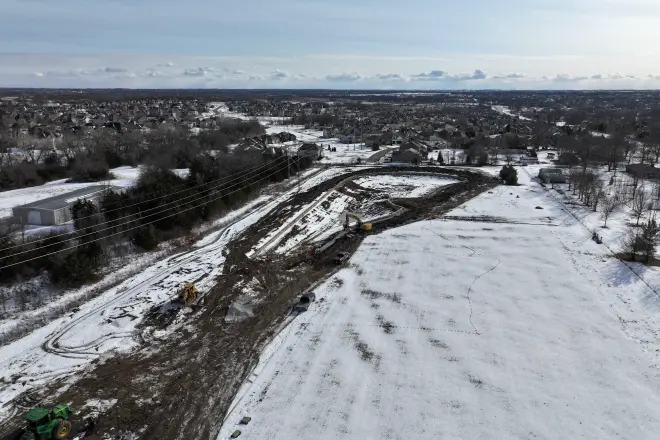
Building a ½ acre pond requires careful execution to ensure water retention, durability, and long-term functionality.
Each stage, from excavation to dam construction, plays a crucial role in preventing leaks and excessive muck buildup.
Below is a breakdown of the process to help you understand what’s involved.
Step 1: Site Preparation
Before heavy machinery arrives, the pond site must be prepped to ensure a smooth construction process.
- Clear debris – Remove trees, brush, and large rocks that could interfere with excavation.
- Mark the pond boundaries – Outline the exact shape and depth to ensure accuracy.
- Assess soil conditions – Identify areas that may need compaction or additional sealing.
Step 2: Excavation and Pond Shaping
Once the site is cleared, digging begins.
However, keep in mind that professional pond excavation involves more than simply digging a hole.
The goal is to decrease the quantity of water loss by ensuring the pond has the correct depth and slope.
- Excavate to the planned depth – Most ponds require at least 8-12 feet for proper water retention.
- Create gradual slopes – A 3:1 slope prevents bank collapse and reduces erosion.
- Compact the bottom – Pressing down loose soil helps prevent seepage and excessive muck accumulation.
Step 3: Building the Dam and Spillway
A well-constructed dam is essential to keeping your pond from draining unexpectedly.
Proper design ensures water levels stay stable while preventing flooding.
Follow the link to learn how to build a dam for a pond.
- Use clay-rich soil – This creates a watertight core that prevents leaks.
- Construct an emergency spillway – This directs excess water away during heavy rainfall.
- Reinforce with rock – Lining the dam with rock protects against erosion.
Step 4: Filling the Pond
Once excavation is complete and the dam is secured, it’s time to fill your pond.
- Use a natural water source – Rain runoff, springs, or wells are the best filling options.
- Monitor water levels – Allow the pond to fill gradually to avoid erosion.
- Check for leaks – If the pond loses water too quickly, additional compaction or sealing may be required.
Step 5: Initial Ecosystem Development
A newly filled pond takes time to stabilize.
Introducing natural elements early helps create a healthy aquatic environment.
- Add beneficial vegetation – This helps filter nutrients and prevents algae overgrowth.
- Stock small fish first – Introducing baitfish before larger species helps establish the food chain.
By following these steps, your ½acre pond will be structurally sound, ecologically balanced, and built to last.
Construction Timeline: How Long Does It Take to Build a ½ Acre Pond?
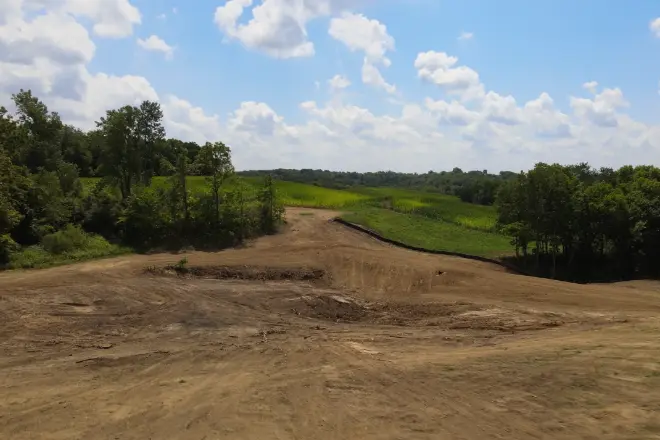
The timeline for building a ½ acre pond depends on several factors, including excavation complexity, weather conditions, and permit approvals.
Under ideal circumstances, construction can be completed in one to two weeks, but delays can extend the process.
Typical Duration
Most pond projects follow this general timeline:
- Week 1: Site Preparation and Excavation
- Clearing land, removing debris, and marking pond boundaries.
- Digging the pond basin and shaping slopes.
- Compacting the soil to prevent seepage.
- Week 2: Structural Work and Filling
- Constructing the dam and installing an overflow system.
- Checking for leaks and reinforcing weak areas.
- Allowing natural water sources to begin filling the pond.
Potential Delays and How to Mitigate Them
While a ½ acre pond can be built quickly, some factors may slow progress:
- Permit Approvals – Local regulations can take time to process. Start early to avoid delays.
- Weather Conditions – Heavy rain can disrupt excavation or cause erosion. Plan construction during drier months. That being said, the pond experts at Bulletproof Pond and Lake have contingency plans for navigating unpredictable weather during pond construction.
- Soil and Drainage Issues – If the site has poor soil, additional compaction or a liner may be necessary.
- Customization and Upgrades – Features like docks, fountains, or fish habitats may extend the timeline.
If you’re curious about how long your specific pond project might take, talking with an experienced contractor can help.
Bulletproof Pond and Lake have the knowledge to assess your site and keep your project on schedule.
What is the Cost of Installing a ½ Acre Pond?
The cost of building a ½ acre pond depends on several factors, including excavation, soil conditions, water retention solutions, and additional features.
On average, you can expect to spend between $30,000 and $45,000 for a 1/2 acre pond installation, but final pricing varies based on site-specific details.
Follow the link to learn how much it costs to build ponds of different sizes.
Proper planning can help decrease the number of unexpected expenses while ensuring a high-quality pond that lasts for decades.
Factors Influencing Cost
Several variables affect the final price tag of a ½ acre pond:
- Excavation Complexity – Rocky or uneven terrain requires more work, increasing costs.
- Soil Composition – Clay-heavy soil holds water naturally, while sandy or porous ground may require sealing.
- Permit and Regulatory Fees – Varies based on location and environmental impact assessments.
- Customization – The more enhancements you add, the higher the final cost.
Ways to Reduce Costs Without Sacrificing Quality
- Choose an ideal site – A natural low-lying area with clay-rich soil minimizes excavation and sealing expenses.
- Prioritize essential features – Focus on key components first and add extras later.
- Work with experienced professionals – Hiring the right team prevents costly mistakes and ensures efficiency.
Long-Term Pond Maintenance: Keeping Your ½ Acre Pond Healthy
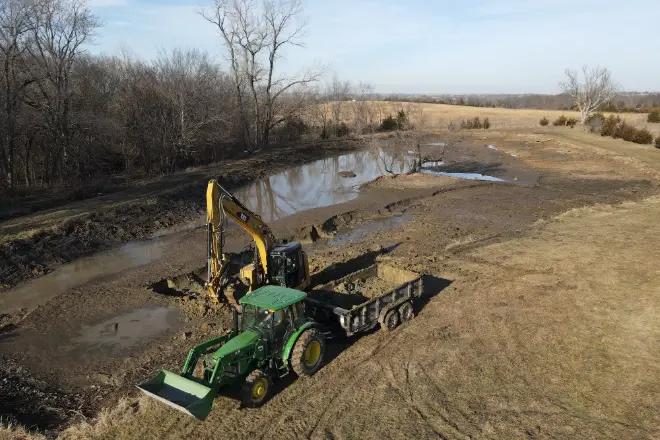
A well-built ½ acre pond requires regular maintenance to stay clean, balanced, and thriving.
Without proper care, muck can accumulate, algae can take over, and water quality can decline.
By following a structured maintenance plan, you can prevent costly repairs, support aquatic life, and ensure your pond remains an attractive and functional feature of your property.
Routine Maintenance Tasks
Regular upkeep is key to preserving your pond’s ecosystem and preventing common issues.
- Monitor water levels – Keep an eye on seasonal fluctuations to prevent excessive drying or overflow.
- Inspect the dam and banks – Erosion can weaken structural integrity, so reinforce shorelines with rock or vegetation if needed.
- Remove excess pond muck – Organic debris and sediment buildup can reduce water depth and lead to oxygen depletion.
Long-Term Upkeep and Dredging
Over time, muck and sediment will settle at the bottom, affecting depth and water clarity.
Periodic dredging helps maintain pond health and functionality.
- Spot Cleaning (Every 15-25 Years) – Remove accumulated debris in shallow areas to maintain depth and prevent stagnation.
- Full Dredging (Every 50-70 Years) – Restores the pond’s original depth by eliminating excess muck and sediment buildup.
Bulletproof Pond and Lake: Your Trusted Experts for ½ Acre Pond Installation
With the right planning, construction, and maintenance, your ½ acre pond can provide years of enjoyment, whether for fishing, irrigation, or aesthetics.
By understanding the costs, legal requirements, and upkeep essentials, you now have the knowledge to make informed decisions and avoid common pitfalls.
Instead of handling the complex digging, design, and maintenance alone, let the pond contractors at Bulletproof Pond and Lake take care of it for you!