Stirring Up the Truth About Muck
Ever notice your pond getting shallower, murkier, or smelling worse with each passing summer?
Wondering what really happens beneath the surface when muck starts to take over?
In this post, you’ll learn exactly what pond dredging is, how it works, when it’s needed, and what to expect from this crucial pond cleaning process.
By the end, you’ll know how to bring your pond back to its original depth, beauty, and balance—so it stays clean and healthy for years to come.
If your pond’s looking tired or overgrown, reach out to Bulletproof Pond and Lake.
Call us or fill out the contact form today, and let’s bring your water back to life.
What Is Pond Dredging?
Pond dredging is the process of removing accumulated sediment, muck, and organic matter from the pond bottom to restore depth, water quality, and balance.
Over time, runoff brings sand, silt, and debris into ponds, slowly filling them and reducing water depth, which is why understanding the foundations of long-lasting ponds is so important for preventing future buildup.
Without proper maintenance, this buildup can choke out aquatic life and turn a once-clear pond—like those found on Kansas farmland or Texas ranch properties—into a shallow, swampy mess.
Key benefits of pond dredging:
- Restores lost depth and water volume
- Removes nutrient-rich muck that fuels algae and weeds
- Improves fish habitat and oxygen circulation
- Enhances water clarity and appearance for better recreation
Regular dredging projects help extend the lifespan of a pond and keep it functioning as a healthy water body for both people and wildlife, especially when paired with long-term pond service and maintenance.
Signs Your Pond Needs Dredging
A pond doesn’t usually fail overnight—it shows warning signs long before it reaches a crisis point.
Here’s how to tell it’s time to dredge a pond before the problems get worse:
- Shallower water levels or visible mud flats around the shoreline
- Frequent algae blooms and murky water
- Strong bad odors from decomposing organic matter
- Overgrowth of aquatic plants and weeds
- Declining fish population or poor water circulation
Ignoring these signs allows built up sediment to continue accumulating, eventually leading to stagnant water, reduced oxygen levels, and loss of aquatic life.
Why Dredging Is Important for Long-Term Pond Health
Pond dredging is essential for restoring the natural balance of a pond’s ecosystem.
By removing excess nutrients and accumulated sediment, the dredging process reduces algae growth and supports healthy oxygen flow.
Here’s why dredging matters:
- Prevents nutrient overload that causes algae and weeds
- Restores oxygen levels that fish and aquatic plants need to thrive
- Increases water storage capacity for irrigation and recreational activities
- Extends the lifespan of the entire pond for decades
- Reduces internal nutrient recycling and the release of toxic gases trapped in sludge
Healthy ponds are living ecosystems, and dredging keeps them stable, productive, and beautiful.
How Pond Dredging Works
Step 1 – Pond Assessment
Every successful dredging project starts with understanding the pond’s current condition.
Specialists measure sediment depth before beginning work. Bathymetric surveys and core samples reveal how much muck and silt have accumulated over time.
This careful planning ensures the right approach is chosen for both effectiveness and safety.
Step 2 – Choose the Right Dredging Method
Mechanical Dredging
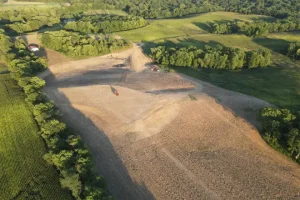
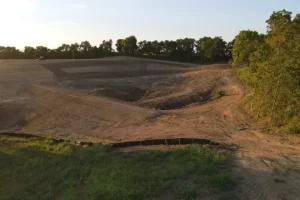
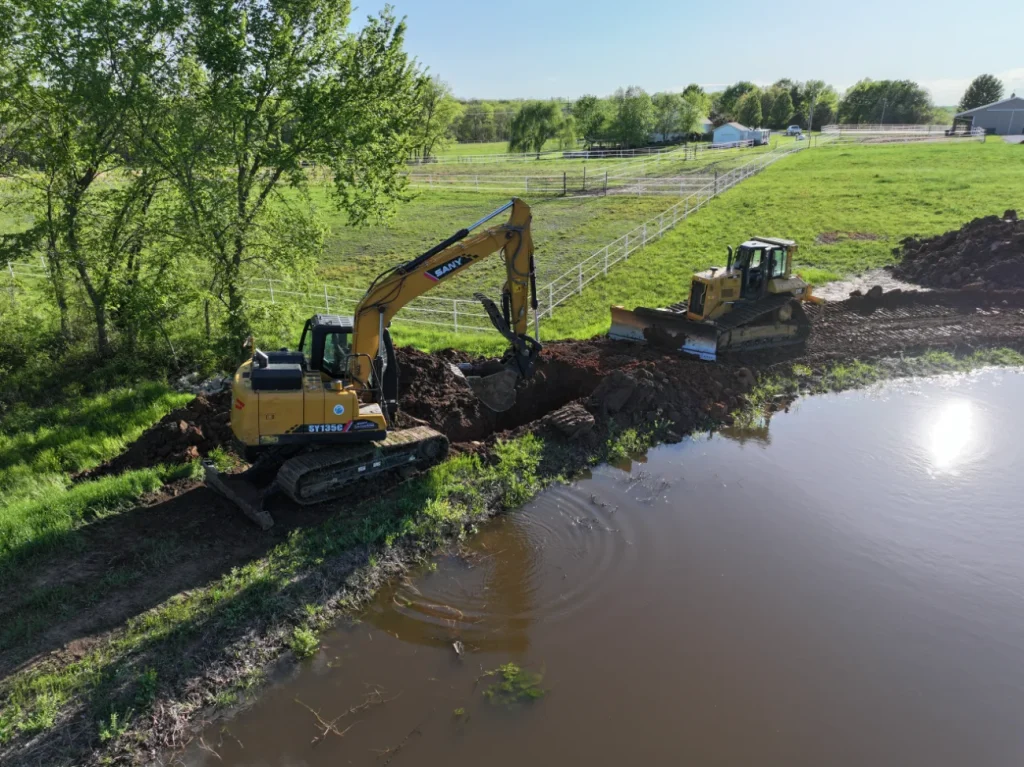
Mechanical dredging involves draining the pond and using heavy equipment to excavate sediment.
It’s the most effective way to remove large volumes of muck and restore depth quickly.
This is the method Bulletproof Pond and Lake uses for their Deluxe and Premium Acreage Pond Cleaning services.
We also offer a less invasive Standard option, in which we reach 25 feet into the pond from the shoreline and excavate one foot down to remove muck.
Hydraulic Dredging
Hydraulic dredging uses suction hoses to vacuum sediment from the pond bottom while it remains filled with water.
It’s less disruptive to aquatic life and vegetation but better suited for smaller ponds or maintenance dredging rather than large-scale restoration.
Step 3 – Muck Removal and Dewatering
During muck removal, sediment is either pumped or scooped out and set aside to dry.
Once dried, the dredged material can be reused safely—for example, spread along the shoreline, buried for later grading, or used to reinforce the dam’s backside.
Proper disposal is critical for protecting water quality and ensuring contaminants don’t re-enter the environment.
Step 4 – Post-Dredging Maintenance
After dredging, maintenance helps preserve the work done.
Replanting native vegetation around pond edges stabilizes soil and prevents erosion, much like the methods covered in our guide on how to prevent soil erosion in pond construction.
Installing silt ponds or forebays upstream slows down future sedimentation and keeps the pond clean longer.
When to Dredge a Pond
Timing matters when you dredge a pond.
Most ponds need dredging every 10 to 15 years, depending on runoff and sedimentation rates.
If sediment fills 25–30% of the pond volume, it’s time to schedule cleaning.
The best time of year for dredging is during the cooler, drier months—typically late fall through winter in the southern plains—when water levels drop and aquatic life is less active.
Avoid dredging during fish spawning or breeding seasons to protect sensitive species.
Cost Factors in Pond Dredging
The cost of dredging varies depending on several factors:
- Size and depth of the pond: Larger or deeper ponds require more equipment and labor.
- Access to the site: Limited entry or steep banks increase time and effort.
- Chosen method: Hydraulic dredging is more expensive but less invasive, while mechanical dredging is faster for complete restoration.
Bulletproof Pond and Lake uses mechanical dredging methods only, ensuring thorough results for acreage ponds.
Costs depend on the pond’s size, sediment volume, and selected service tier.
How to Dispose of Dredged Material
Dredged material is often nutrient-rich and can be reused in several ways.
After drying, it can be spread on nearby fields, used to fertilize grass, or buried to strengthen dam structures.
Bulletproof Pond and Lake returns once the material is dry to grade the area and spread grass seed, helping restore the surrounding landscape.
Dredged materials should never be returned to waterways, as this reintroduces pollutants and defeats the purpose of dredging.
How to Prevent Sediment Buildup After Dredging
Control Runoff and Erosion
Preventing sediment buildup is easier than repeating major dredging projects.
To protect your pond long-term:
- Create vegetative buffer strips to trap runoff before it enters the pond.
- Stabilize upstream streambanks and inflow points.
- Divert stormwater or add a small catch pond to filter debris before it reaches the main water body.
- Inspect the watershed yearly to identify erosion early.
Ready to Reclaim Your Pond’s Depth? Bulletproof Pond and Lake Can Help
Pond dredging isn’t just about clearing out muck—it’s about restoring the beauty and balance of your pond, whether tucked among Texas ranchlands, near Kansas City suburbs, or bordering the rolling hills of Missouri farmland.
Now you know how the process works, why it matters, and what steps keep your pond healthy for the long haul.
When it’s time to bring your pond back to life, the pond pros at Bulletproof Pond and Lake have the expertise, equipment, and experience to handle every detail.
Call or fill out the contact form today and see how easy it is to reclaim a cleaner, deeper, and more vibrant pond.