Big Water, Big Dreams: Your One-Acre Pond Starts Here
Ever picture a quiet pond on your land, maybe the kind you’d find on a rolling Kansas farm or tucked behind an old Missouri homestead, and wonder what it actually takes to build one?
Or imagine how much professional pond excavation and planning go into creating a full 1-acre water feature that holds water year after year?
In this post, you’ll learn the complete process of building a 1-acre pond, including the cost, the construction steps, and the custom features that can raise both function and value.
By the end, you’ll know exactly what goes into building a long-lasting pond and what choices help you get the best results for your land.
If you’re ready to explore your own pond project, reach out to Bulletproof Pond and Lake by calling or filling out the contact form.
How Do You Build a 1-Acre Pond?
Building a 1-acre pond starts with a good site, strong soil, careful pond construction, and the right equipment.
Most professional 1-acre pond projects cost around $45,000 for basic excavation, shaping, a dam core trench, and an overflow system. Follow the link to learn more about the cost to build a 1-acre pond.
Costs rise when the land has rocky ground, complex topography, deeper digging needs, or custom features like a beach area, fish habitat, or shoreline rock.
A long-lasting pond depends on proper sealing with clay, a stable pond design, and planned maintenance over the life of the pond.
Basic Steps to Build a 1-Acre Pond
1. Site Selection and Surveying
- Look for a natural low point or basin that already collects rain, similar to the broad prairie swales you’d see across Nebraska or North Dakota ranchland.
- Choose a site with full or partial sun to support plants and fish.
- Keep the pond away from a house, septic systems, trees, or utilities.
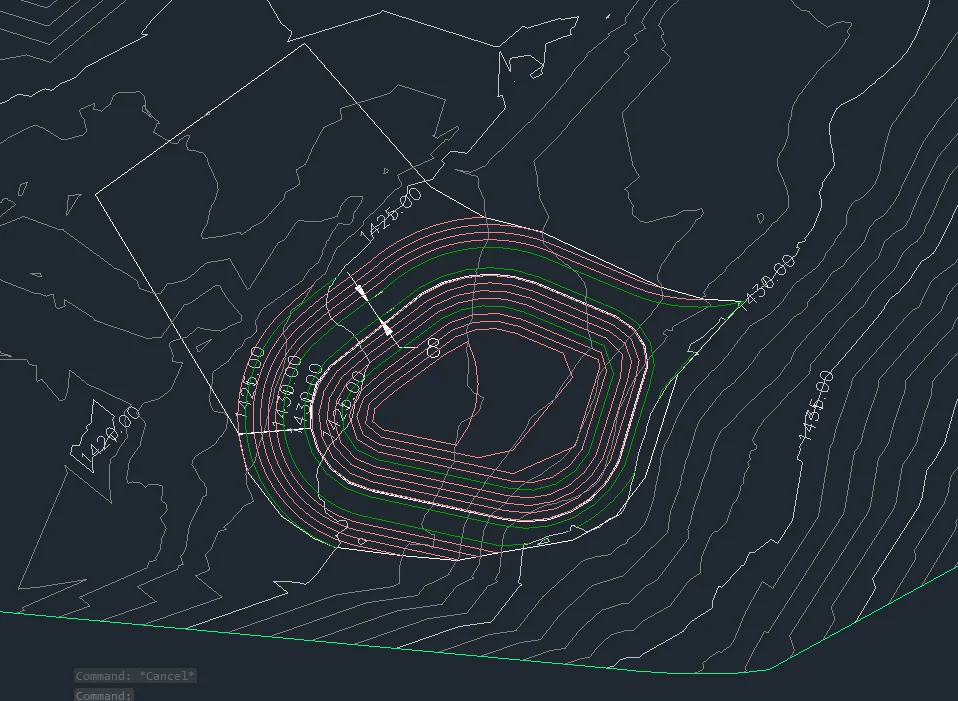
- Use a topographical survey or a test hole to understand slope, depth, and soil conditions.
Follow the link to learn more about choosing the right spot for your pond or lake.
2. Soil Testing and Evaluation
- Take soil samples at different depths to confirm clay content.
- If the soil is sandy or rocky, plan extra sealing materials.
- Check the pH so the water supports aquatic plants, fish species, and other animals.
- Use the test hole to see how well the soil holds water.
3. Pond Design and Layout
- Determine the pond shape based on your plans for fishing, recreation, or wildlife.
- Add shallow shelves, then shape a deep basin for good depth and water quality.
- Include fish structures or spawning beds if you plan to stock bass or bluegill.
- Calculate the water volume and decide how the overflow line will move water.
- Plan spillway size and placement to protect the dam during storms.
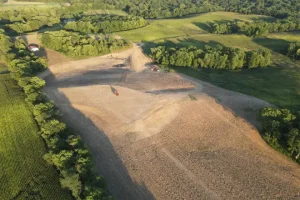
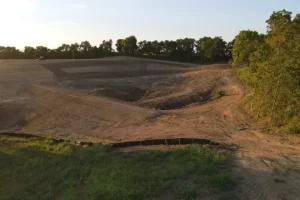
4. Excavation Process
- Mark the pond outline and strip away the topsoil layer.
- Begin digging to the planned depth using a tractor or scraper systems.
- Shape dirt into shelves, deep areas, and smooth slopes around the pond edge.
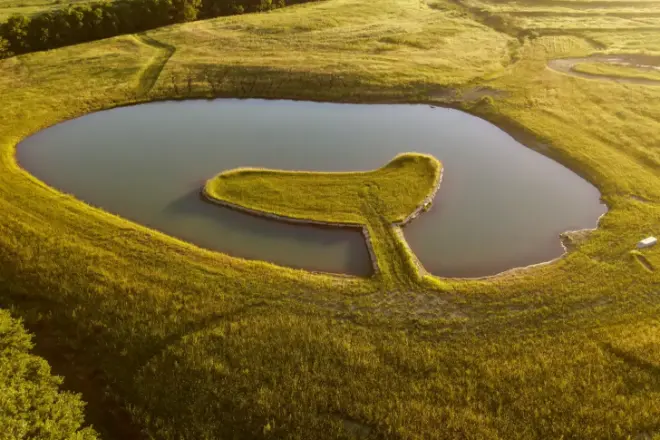
- Move spoil dirt to create a raised area, peninsula, or gentle bank.
- Keep the excavation process steady so the pond bottom stays even.
5. Dam Core Trench and Pond Sealing
- Dig a centerline trench where the dam will sit and reach stable clay soil.
- Fill the trench with compacted clay lifts to seal and strengthen the dam structure.
- If needed, add bentonite or liner material to help seal cracks or porous areas.
- Check for spots that may drain water and seal them before filling.
6. Overflow and Spillway Installation
- Install a pipe spillway or emergency overflow channel to prevent washouts.
- Position the spillway so heavy rain moves away from the dam safely.
- Line the spillway with rock or erosion materials so the flow stays controlled.
7. Edge Shaping and Erosion Protection
- Grade the slope around the pond so it is safe and stable.
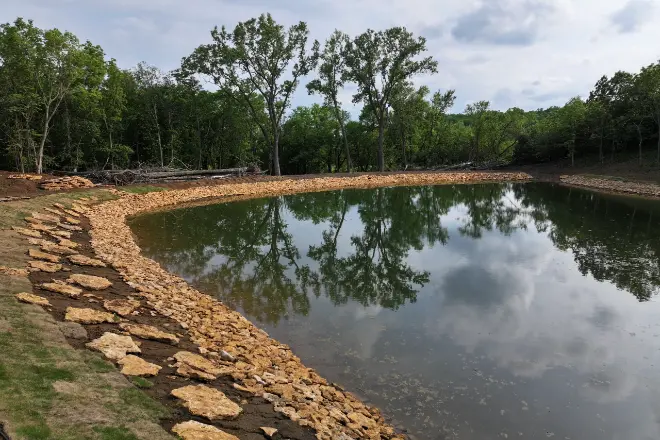
- Add clay, limestone rock, or rip rap to protect the shoreline.
- Plant grass seed or aquatic plants along the edges to reduce erosion.
- Use natural materials to create a clean transition between land and water.
8. Filling the Pond
- Fill the pond slowly with rain, groundwater, or a controlled water source.
- Watch the water line and check for leaks as the pond rises.
- Allow time for clay layers and seal materials to settle before full use.
Custom Features That Increase Cost and Functionality
Habitat Enhancements
- Add fish structures like rock piles, ledges, or spawning beds.
- Create deep pockets that help fish survive summer heat and winter cold.
- Include plant shelves to support aquatic plants and attract natural species.
Shoreline Upgrades
- Install limestone rock or rip rap for erosion control and a natural look.
- Add a graded beach area for swimming or recreation on your property, a feature especially popular in warmer climates like Texas and southern Arkansas, where summer pond use is a tradition.
- Shape the shoreline so it is safe and easy to walk along.
Recreational Additions
- Build a boat ramp for small boats or kayaks.
- Form a peninsula or island using extra dirt. A typical 40-foot peninsula costs about $3,000 to $5,000 before adding shoreline materials.
- Create walking trails around the pond for everyday use.
Wetland or Catch/Silt Pond Construction
- Develop a wetland zone near the pond to filter water and support wildlife.
- Build a catch pond to manage silt and reduce long-term maintenance costs.
- Use natural plants and soil materials to create clean water flow.
Aesthetic Upgrades
- Add landscaping with plants, rock, and native materials.
- Place aquatic plants in shallow zones for water clarity and habitat.
- Use creative custom pond features for your acreage pond, like stone borders, peninsulas, or scenic seating areas.
Long-Term Maintenance Requirements for a 1-Acre Pond
Targeted Muck-Out Every 15 to 25 Years
- Cost ranges from 15 to 20 dollars per linear foot of shoreline.
- A bucket excavator removes muck from up to 25 feet in.
- Spread the material along the bank, let it dry, then regrade and add grass seed.
- Helps maintain pond depth and water clarity.
Complete Muck-Out Every 50 to 70 Years
- A full cleanout often costs about $100,000 depending on the cleaning tier.
- The pond is drained, then all muck is dug out and moved to dry ground.
- Regrade the pond bottom and banks so the pond holds water better.
- After one year, spread grass seed to stabilize the soil.
Routine Upkeep
- Control algae with proper water balance and plant coverage.
- Monitor water pH, clarity, and depth during the year.
- Trim plants and maintain good vegetation along the shoreline.
- Protect the dam and spillway with regular checks and minor repairs.
Ready To Build Your Dream 1-Acre Pond? Here’s Why Homeowners Trust Bulletproof Pond and Lake
Creating a 1-acre pond gives you more room for recreation, better water quality, and a long-lasting feature that adds beauty to your property.
You now know the starting cost, the construction steps, and the materials needed to build a pond that stays strong for decades.
If you want a team of pond contractors who handle everything from planning and digging to sealing and spillways, Bulletproof Pond and Lake is ready to take on your project.
Reach out today to start your pond installation with experts who build it right the first time.