Settling In: How Long Does It Take for a New Pond to Clear?
Have you recently installed a new pond, only to find the water looking more like murky soup than a serene oasis? Or perhaps you’re wondering when that cloudiness will finally give way to clear, inviting waters?
If these thoughts sound familiar, you’re not alone.
In this guide, we’ll explore how long it takes for a new pond to settle and reveal the key steps you can take to speed up the process.
By the end, you’ll be equipped with the knowledge to transform your acreage pond installation into a crystal-clear haven that enhances your Kansas City landscape.
How Long Does it Take for a New Pond to Settle?
One of the most common concerns for new pond owners is how long it will take for their pond water to clear.
The timeline for a pond to settle and achieve clear water can vary based on several factors, including the soil type, the pond’s design, and the presence of aquatic life.
Typical Timeline for Pond Water to Clear
The process of pond settlement begins immediately after the pond is filled with water, but it can take some time before the water becomes clear.
- Initial Settlement: In the first few weeks after filling a new pond, it’s normal to notice muddy or cloudy water. As the heavier particles begin to settle at the bottom, you may see a gradual improvement in water clarity. The process can be slow, especially in larger ponds, and it’s important for pond owners to be patient.
- Full Pond Maturation: Typically, a new small pond takes about 6 to 12 weeks to reach a stable, clear state. Larger acreage ponds that rely on natural filling from rainwater and runoff can take as long as a year. Factors such as the type of soil, the amount of vegetation, and the presence of fish species can influence this timeline.
Factors That Affect Settlement Time
Several key factors can determine how quickly your pond water will clear:
- Soil and Sediment Type: Ponds built in areas with high clay content may take longer to settle due to the fine suspended clay particles that remain in the water. Soil types with larger particles, such as sand or gravel, tend to settle more quickly, leading to clearer water in a shorter time.
- Pond Construction Methods: The way a pond is constructed plays a significant role in how quickly it settles. Features like proper drainage, erosion control measures, and the strategic placement of aquatic plants can all contribute to faster settlement. A well-designed fish pond that includes these elements will typically clear more quickly than one that doesn’t. Follow the link to learn how to build a large pond correctly.
- Water Quality Management: Regular testing of water quality parameters, such as pH level, ammonia, and nitrate levels, can help you identify issues early and take corrective actions. Keeping these parameters in check ensures a healthy pond and clearer water over time.
Understanding these factors and managing them effectively will help new pond owners achieve the clear, healthy pond water they desire, creating an inviting environment for both fish and other aquatic life.
What Causes Muddy or Cloudy Pond Water?
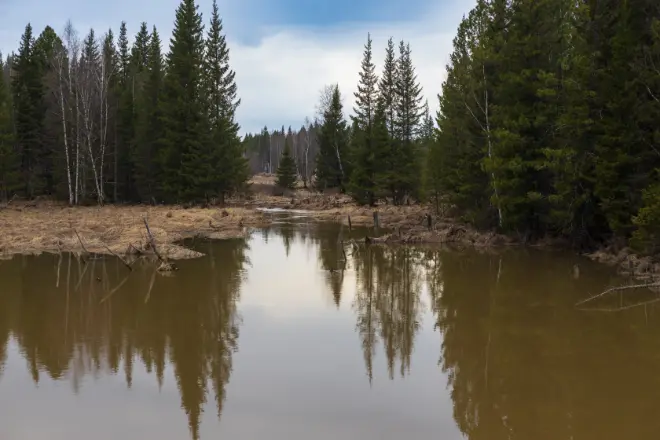
If your new pond looks more like a muddy mess than a tranquil oasis, you’re likely dealing with turbidity.
Turbidity occurs when particles suspended in the pond water cause it to appear cloudy or murky.
Understanding the root causes of turbidity can help you address the issue effectively.
Understanding Turbidity
Turbidity is the cloudiness or haziness of a fluid caused by large numbers of individual particles, like clay or silt, that are generally invisible to the naked eye.
High turbidity levels in your pond can lead to poor water quality, affecting the health of aquatic plants and fish.
It can also block sunlight, which is essential for photosynthesis, and reduce oxygen levels in the pond.
Common Causes of Turbidity
- Clay Particles: Fine clay particles are one of the most common culprits behind muddy water in a new pond. These tiny particles are light enough to remain suspended in the water, causing it to appear cloudy. Soil with a high clay content is often used as the foundation for long-lasting ponds.
- Mechanical Disturbances: Activities like bottom-feeding by pond fish, such as suckers or channel catfish, can stir up sediment from the pond bed, keeping the water muddy. Additionally, heavy rain or strong winds can agitate the water, further suspending clay particles.
- Shoreline Erosion: Unprotected shorelines are prone to erosion, especially during heavy rain. The eroded soil enters the pond, contributing to increased turbidity and muddy water. Installing proper erosion control measures around the pond’s edge is essential to prevent this issue.
By identifying the cause of your pond’s cloudiness, you can take the necessary steps to improve water clarity and maintain a healthy pond environment in your Kansas City backyard.
Techniques to Speed Up Pond Settlement
While it’s natural for a new pond to take some time to clear, there are effective strategies that can help expedite the process.
By addressing the causes of turbidity and implementing proactive measures, pond owners in Kansas City can achieve clearer water more quickly.
Addressing Clay Turbidity
Clay particles are often the main reason why new ponds remain cloudy for longer periods.
These tiny particles are light and can stay suspended in the water, making it appear muddy.
- Use of Flocculants: Products like gypsum or alum can be added to the pond water to bind suspended clay particles together, making them heavier and more likely to settle at the bottom. This process can significantly reduce turbidity and help clear the water faster.
- Beneficial Bacteria: Introducing beneficial bacteria can also aid in breaking down organic material in the pond, reducing the overall turbidity. These bacteria work by consuming excess nutrients that can otherwise contribute to cloudy water.
Erosion Control
Preventing erosion around the pond’s edges is crucial for maintaining clear water, especially during heavy rain or strong winds that can introduce more sediment into the pond.
- Shoreline Stabilization: Planting grass or other vegetation around the pond’s edge helps stabilize the soil, preventing it from washing into the water and causing muddy conditions. Additionally, consider using rocks or other barriers to protect vulnerable areas from erosion.
- Adding Vegetation: Aquatic plants like pond lilies and other submerged plants not only enhance the pond’s aesthetics but also play a role in trapping sediment and reducing turbidity. These plants help filter the water naturally, contributing to a healthier pond environment.
Enhancing Mechanical Filtration (For Small Ponds–Not Acreage Ponds)
For smaller ponds, mechanical filtration systems can be particularly effective in speeding up the settlement process by removing suspended particles from the water.
- Mechanical Filtration Systems: Installing a pond filter is an excellent way to keep the water clean by trapping debris and particles that contribute to cloudiness. Regularly cleaning and maintaining the filter ensures it operates efficiently and continues to improve water clarity.
- Aeration and Circulation: Increasing water movement through aeration or circulation systems can help keep the pond water oxygenated and reduce the buildup of organic matter that can lead to algae problems. Proper aeration also helps prevent stagnation, which can contribute to poor water quality.
By implementing these techniques, you can significantly reduce the time it takes for your new pond to settle, ensuring clear, healthy water that supports a vibrant aquatic ecosystem.
Whether you’re dealing with clay turbidity, erosion, or algae growth, these strategies will help you maintain a beautiful and inviting fish pond.
Long-Term Maintenance for Clear Water
Maintaining a clear and healthy fish pond requires consistent care and attention, especially after the initial settling phase.
By implementing regular maintenance practices, pond owners in Kansas City can ensure their ponds remain clean and vibrant for years to come.
Regular Monitoring and Testing
Monitoring your pond’s water quality is essential to prevent issues like green water, algae growth, and fish health problems.
- Water Quality Checks: Regularly test your pond water for key parameters, including pH level, ammonia, nitrites, and nitrates. Maintaining a balanced pH level and low ammonia levels is crucial for preventing fish kill and ensuring a healthy environment for your catfish and other aquatic life.
- Debris Removal: Keep your small pond clean by routinely removing debris such as fallen leaves, algae, and excess plant material. This not only improves water clarity but also reduces the risk of oxygen depletion and the buildup of harmful substances that can lead to fish death. This is not necessary for large acreage ponds, which are less impacted by debris due to their size.
Managing Algae Growth
Algae growth is a common challenge for fish pond owners, but it can be managed effectively with the right strategies.
- Natural Algae Control: Introduce aquatic plants to your pond to compete with algae for nutrients. Plants like water lilies not only enhance the pond’s aesthetics but also provide shade, reducing the amount of sunlight that reaches the algae, which helps to control its growth.
- Manual Removal: If algae begin to take over your pond, manually remove it using a pond net or rake. For persistent algae issues, consider using an eco-friendly algae treatment that won’t harm your fish or other aquatic life.
Sustainable Practices for Clear Water
Adopting sustainable maintenance practices ensures long-term water clarity and a thriving pond ecosystem.
- Natural Filtration Systems: Utilize natural filtration methods by adding plants that filter and clean the pond water, reducing the need for chemical treatments.
- Erosion Prevention: Continually monitor the pond’s edges to prevent erosion, which can introduce sediment into the water, causing it to become cloudy. Planting grass or using rocks around the pond’s perimeter can stabilize the soil and protect against muddy ponds. Follow the link to view pond landscaping ideas for your water feature.
By following these long-term maintenance strategies, new pond owners can enjoy a beautiful, healthy pond that enhances their Kansas City landscape and provides a serene environment for both fish and local wildlife.
Clear Waters Ahead: Why Bulletproof Pond and Lake is Your Best Choice
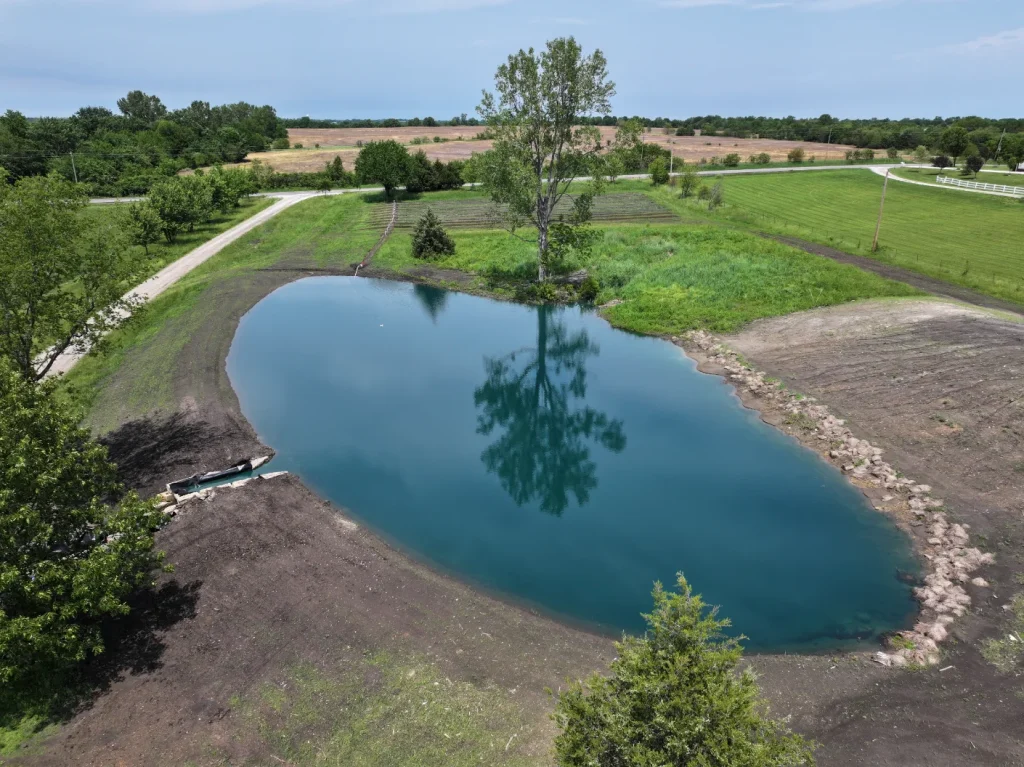
Achieving a clear and healthy pond doesn’t have to be a daunting task.
With the right knowledge and consistent care, your pond can transform into a stunning, serene feature that enhances your property and supports a thriving ecosystem.
This guide has equipped you with the essential steps to manage turbidity and maintain long-term water clarity.
However, for those looking to ensure their pond installation is done right from the start, professional expertise can make all the difference.
Bulletproof Pond and Lake specializes in acreage pond installations, providing customized solutions that meet your specific needs and ensure a smooth transition from murky water to a crystal-clear pond.
Ready to turn your pond vision into reality?
Fill out our contact form today, or give us a call!