Key Points
- Larger, deeper ponds cost more due to extra labor and structural needs, with typical pricing between $45,000 and $60,000 for 1–2 acre builds.
- Rocky or sandy soil increases excavation time and may require liners or soil replacement, which raises total project cost.
- Permit requirements, especially in Kansas, can significantly affect the budget, with federal and state-level authorizations often needed.
Digging Into the Details: What Really Drives Pond Excavation Costs?
Thinking about building a pond but unsure what kind of price tag comes with that dream?
Wondering why some pond projects in Kansas cost $30K while others soar past $100K?
This post walks you through the six most important factors that impact the cost of pond excavation, so you know what to expect, how to plan, and where you might be able to save.
By the end, you’ll understand what goes into a successful acreage pond installation and how to keep your budget in check.
Curious how much your project might run?
Give Bulletproof Pond and Lake a quick call or fill out the contact form—we’ll help you figure it out fast.
How Much Does Pond Excavation Cost?
If you’re planning a pond in Kansas or nearby states, understanding the cost is one of the first steps in making smart decisions.
While prices can vary based on the complexity of the pond excavation process, most projects fall within a general range.
Average Cost Range for Pond Excavation
- Typical cost range: $30,000 to $120,000 for most pond construction projects.
- 1–2 acre ponds: Often priced between $45,000 and $60,000, depending on depth, soil conditions, and accessibility.
- Larger ponds or highly customized builds: Can exceed $100,000, especially when incorporating extras like peninsulas, deep zones, or extensive aquatic plants.
Why the Wide Price Range?
Pond excavation costs are influenced by more than just how big the hole is.
Key variables like the type of soil, how far your property is from heavy machinery access, and what you want the finished pond to include all matter.
If you’re digging in rocky soil or need to build a stable clay pond floor, that requires specific excavation techniques and equipment, which naturally increases the price.
Also, the pond’s interior layout—like the inclusion of different ledge depths, shallow water zones, and planting pockets—adds time to the excavation phase.
The more involved the design, the longer the crew needs to be on-site.
If you want the pond properly sealed and functioning with solid overall pond circulation, thoughtful design, and strategic use of materials will raise upfront costs but protect your investment long-term.
Follow the link to learn more about how much it costs to build a pond.
Primary Factors That Affect Pond Excavation Cost
Every pond project is different—and the cost to build it depends on more than just how big or deep you dig.
In Kansas and surrounding states, local terrain, soil type, and access can make a big difference in how much you’ll spend.
Here’s a closer look at the biggest factors that influence your final pond excavation cost.
1. Pond Size and Depth
- Larger ponds naturally require more labor, fuel, and time. The more material that needs to be removed, the higher the bill.
- Deeper ponds often require extra planning for structural integrity and may need stronger sidewalls to prevent collapse.
- Multi-level designs with features like a pond ledge or deep-water zones add to the excavation process.
2. Soil Composition and Quality
- Clay soil is ideal for pond construction because it holds water well and supports compacting.
- Rocky soil or sandy soil can slow down the excavation process and increase wear on equipment.
- Areas with poor soil conditions may require liners or soil replacement, which raises costs.
- Always schedule a soil test before pond digging to avoid unexpected problems with the surrounding soil.
3. Land Topography and Slope
- Flat, gently sloping land is easiest (and cheapest) for pond building.
- A slippery slope or uneven terrain may require grading, retaining structures, or additional excavation to level the site.
- Natural ponds formed in low-lying areas may need less work to begin digging and shaping the entire pond.
4. Permitting Costs
Securing the proper permits is a crucial step in the pond construction process, especially in Kansas and neighboring states.
The permitting process for pond construction and associated fees can significantly impact your overall project budget.
- Dam Construction Permits: In Kansas, any dam that is 25 feet or more in height, or six feet or more in height with the capacity to store 50 acre-feet or more of water, requires a permit from the Kansas Department of Agriculture’s Division of Water Resources.
- Water Appropriation Permits: If your pond is designed to retain 15 acre-feet or more of surface water, you must obtain a water appropriation permit. This permit accounts for indirect water use, such as evaporation and seepage losses.
- Environmental Considerations: If your pond construction impacts habitats occupied by threatened or endangered species, additional permits from the Kansas Department of Wildlife, Parks & Tourism may be necessary. Engaging with these agencies early in the planning process can help identify potential environmental concerns and streamline the permitting process.
- Federal Permits: For ponds that involve construction activities in or near streams, rivers, lakes, or wetlands, authorization from the U.S. Army Corps of Engineers may be required. This federal permit ensures compliance with the Clean Water Act and other environmental regulations.
A knowledgeable pond contractor can help with permits and help you manage the paperwork.
5. Site Accessibility
- If construction access points are limited by steep driveways, trees, or narrow entrances, crews may need to bring in smaller machinery, which takes longer.
- Block equipment access means more time on site and potentially more labor costs.
- Clear paths for trucks and excavators help avoid unnecessary delays during the pond excavation.
6. Equipment and Labor
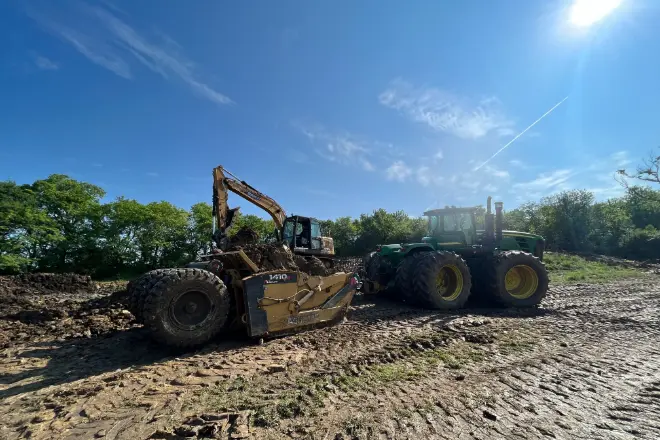
- Using large dozers and scrapers speeds up the project, but might not be an option on tight or sloped properties.
- Skilled pond excavators familiar with Kansas terrain will get better results faster and reduce the risk of costly errors.
- Specialized work, such as grading planting areas or shaping a multi-tiered pond perimeter, adds labor hours and increases pricing.
These six core factors are the foundation of your pond construction budget.
Whether you’re aiming for a small wildlife pond or a large recreational basin, evaluating the site properly before you begin digging is key to keeping your project efficient and affordable.
Proper planning on the front end prevents costly delays or violations once the pond digging begins.
Custom Features That Add to the Cost
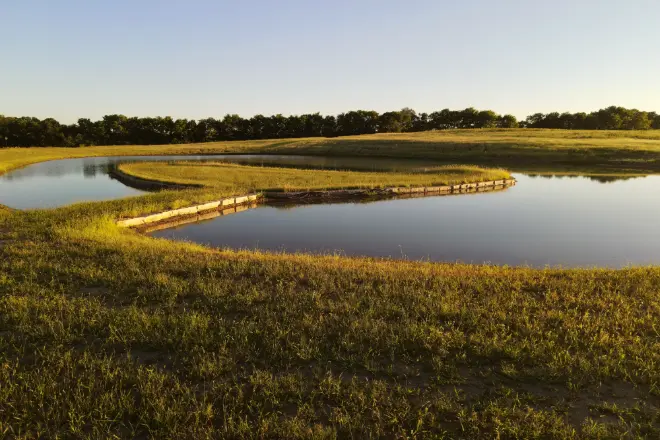
Want your pond to be more than just a hole in the ground?
Adding custom pond features can improve the look and function of your pond—but they’ll also raise the total cost of pond excavation.
Here’s what to consider:
1. Recreational Additions
- Docks, beaches, and boat ramps make your pond more fun and accessible—but also add to excavation and finishing costs.
- Installing these features often requires remove soil from specific zones and reinforcing edges for structural integrity.
2. Wildlife and Fish Habitat Enhancements
- Fish cribs, aerators, and shallow zones support a thriving ecosystem.
- Deeper sections and irregular ledges are often carved out to create safe spaces for fish.
- Adding a biological filter can help support water quality year-round.
3. Shoreline and Aesthetic Upgrades
- Features like large boulder placement, planting areas, or mass plantings can transform your pond into a natural-looking oasis.
- Installing rock layers or rip-rap adds erosion control and visual interest, though it increases both labor and material costs.
4. Islands, Peninsulas, and Wetlands
- These features require advanced planning and careful excavation.
- Expect higher costs for debris removal, moving excavated soil, and shaping elements that blend into the pond perimeter.
- Many homeowners also add future plantings and organic topsoil to support growth and boost the pond’s aesthetic appeal.
While these features are optional, they can turn a basic pond into a stunning, multi-purpose water feature.
Work with a skilled pond builder to balance visual goals with your budget.
Long-Term Maintenance Costs to Plan For
Even after the pond is built, it takes regular upkeep to keep things looking good and functioning properly.
Kansas pond owners should factor in long-term maintenance when budgeting for their pond excavation—especially if the goal is a healthy, attractive water feature that lasts for decades.
1. Sediment and Muck Removal
- Targeted muck-outs every 15–25 years help clear the buildup near banks and shallow water areas. Expect costs around $15–$20 per linear foot.
- Complete dredging, typically needed every 50–70 years, is more intensive and priced based on volume and ease of access.
- Without scheduled muck removal, water depth decreases and structural integrity can suffer.
2. Routine Upkeep
- Algae and weed control is a must in Kansas summers, especially in shallow water zones.
- Periodic inlet and outlet inspections ensure water moves freely and prevent overflow or stagnation.
- Erosion control on banks helps maintain pond shape and prevents loss of more soil around the edges.
3. Irrigation and Livestock Use
- If your pond serves agricultural needs, you’ll also need to budget for:
- Pump maintenance
- Water quality testing
- Overflow systems to handle runoff or storm surges
Partnering with a professional pond builder can help you establish a customized maintenance plan that suits your setup and goals.
How to Reduce Pond Excavation Costs
There are smart ways to manage your budget without cutting corners—especially if you plan ahead.
Here’s how Kansas homeowners can keep their pond building costs reasonable while still getting a durable, beautiful result.
1. Choose the Right Location
- Pick a site with good access and minimal slope. A level area speeds up the hole-digging process and reduces the need for extra grading.
- Avoid locations with sandy soil, rocky terrain, or areas that block access for skid steer or other heavy equipment.
2. Plan Before You Dig
- Start with a detailed site assessment and soil test.
- Make sure the design suits the size and purpose of the pond—no need to overbuild if it’s just for livestock or small-scale irrigation.
- Design features like the first pond ledge or shallow water zones early in the planning phase to avoid costly redos.
3. Be Strategic with Extras
- Skip non-essential upgrades unless they offer long-term value.
- Fancy details like waterfalls or narrow walkways can wait—or be added later as your budget allows.
4. Work With Local Experts
- The importance of professional pond excavation cannot be overstated. A knowledgeable pond builder who understands Kansas soils and regulations can save you time and money.
- They’ll also know the right materials and techniques to ensure structural integrity from the start.
Proper planning and smart decisions during the construction process can reduce costs while ensuring your pond works well and looks great for years to come.
Why Smart Pond Excavation Starts with Bulletproof Pond and Lake
By now, you know that pond excavation isn’t just about digging a hole—it’s about understanding size, soil, slope, access, and the many extras that can drive up or streamline your costs.
With the right knowledge, you can avoid budget busters, plan smarter, and build a pond that performs beautifully for years to come.
When you’re ready to turn those plans into reality, Bulletproof Pond and Lake brings the experience, equipment, and local know-how to get it done right.
Whether you’re in Kansas or a nearby state, our excavation contractors are here to deliver precision excavation, expert guidance, and a finished pond that lives up to the vision.